
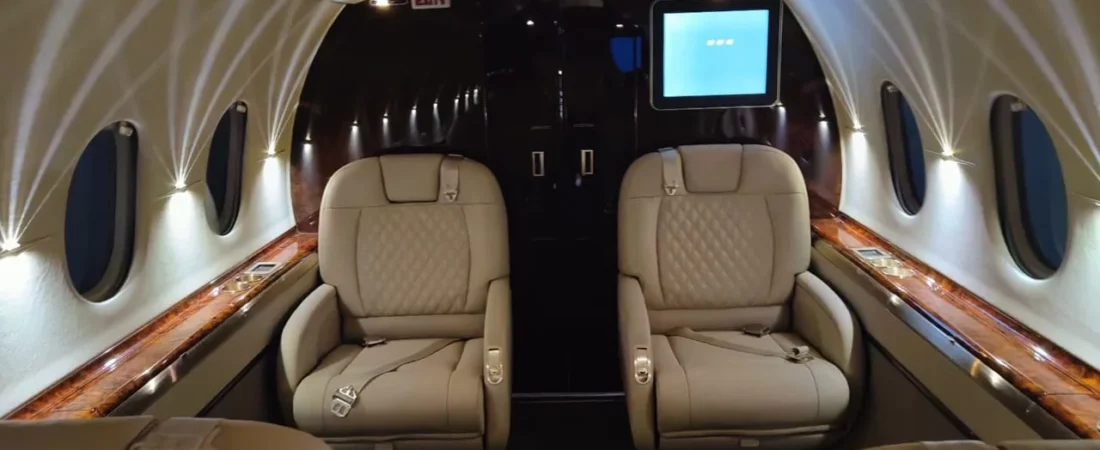
Leather in Aircraft is one of the first details passengers notice when boarding a modern plane. From aircraft leather seats in economy cabins to exotic leather in airplanes designed for private jets, leather has become the preferred choice for airplane seat upholstery and premium cabin finishes. Both airlines and jet owners rely on leather not only for its stylish appearance but also for its durability, comfort, and compliance with aviation safety standards.
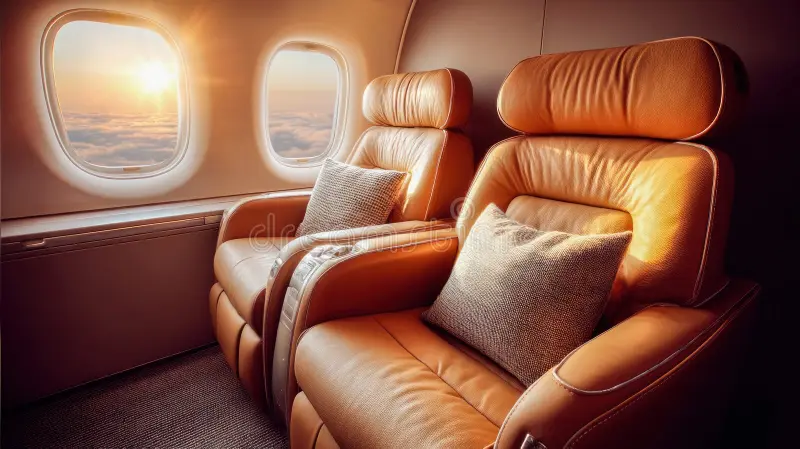
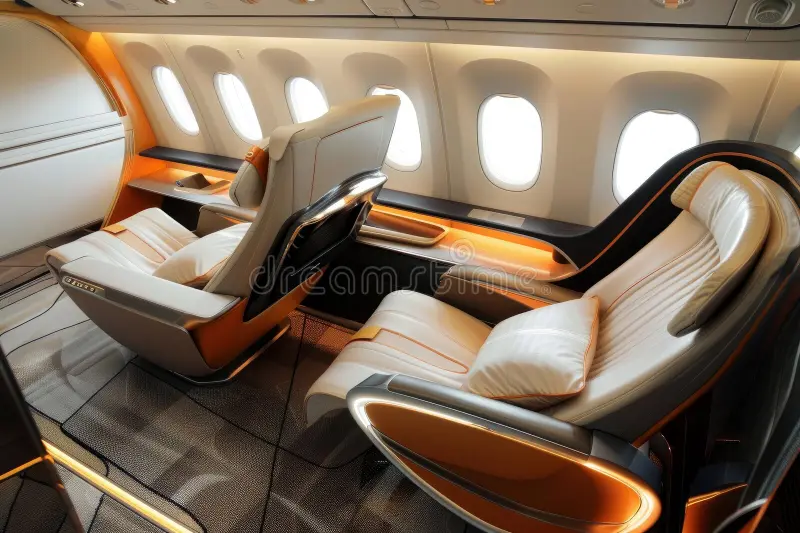
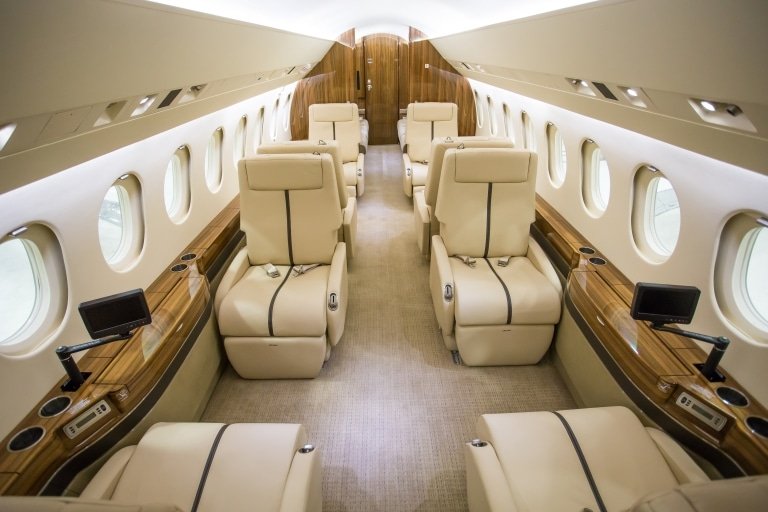
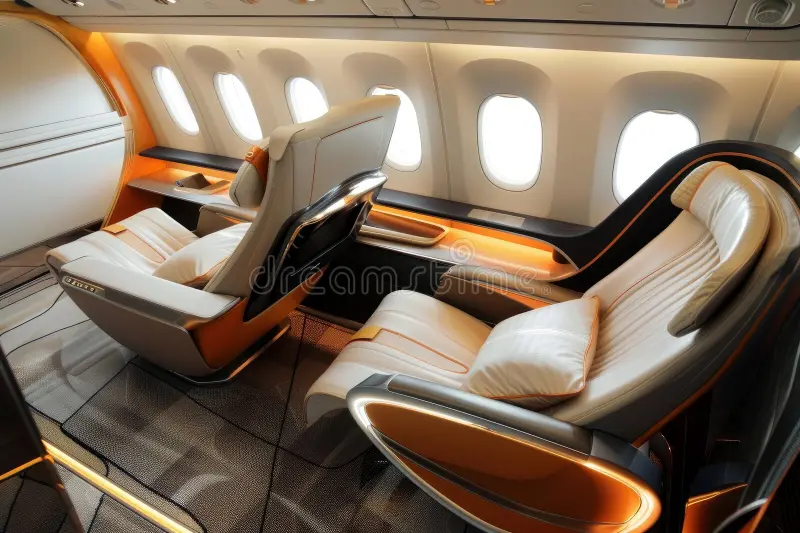
Whether it’s business-class leather seats built for long-haul comfort, aviation leather pilot seats in the cockpit, or bespoke leather aviation design in luxury jets, leather defines the travel experience with a touch of elegance. In this article, we’ll explore how leather is applied throughout different sections of an aircraft, why it remains the material of choice, and the unique advantages it offers to the aviation industry.
Seating: Comfort Meets Practicality
The majority of aircraft leather seats in both commercial and private planes are upholstered in genuine or high-quality synthetic leather. Airlines invest in premium airline seating to offer passengers both comfort and durability.
- Business-class leather seats are designed for long flights, offering ergonomic support and a premium feel.
- First-class leather chairs often feature adjustable headrests, footrests, and additional cushioning for maximum relaxation.
- In budget-friendly sections, synthetic leather airplane seats provide a cost-effective yet durable option.
- For travelers seeking a touch of luxury, comfortable airline seats with aviation-grade seat covers ensure a clean, stylish, and breathable surface.
- No matter the class, luxury aircraft seating is built to last and withstand high passenger traffic, while airline passenger seats combine comfort with easy maintenance.
Cockpit: Leather for the Pilots
The cockpit leather chairs are just as important as the passenger seats. Pilots spend hours in flight, making comfort and durability essential.
- Pilot seat leather and co-pilot seat upholstery are engineered for ergonomic support.
- Ergonomic pilot seating reduces fatigue on long-haul flights.
- Aviation leather pilot seats are built from flame-retardant and fire-resistant materials to meet strict safety standards.
- Flight deck leather covers and aircraft cockpit interiors are tailored for strength and resilience.
- These durable cockpit seating solutions not only provide comfort but also comply with aviation safety rules.
- With leather seating for pilots, airlines ensure long-lasting use even under extreme flying conditions.
Cabin Interiors: Blending Style and Function
Passengers notice the small details that make flying enjoyable, and aircraft cabin leather plays a big role in shaping their experience.
- Airplane interior upholstery is often crafted from premium leather for durability and style.
- Leather trim panels in aircraft add a sleek, modern finish to walls and aisles.
- Comfortable headrest and armrest leather helps maintain cleanliness and comfort.
- Airlines invest in cabin luxury finishes and aviation leather interiors to enhance the passenger journey.
- Leather in commercial aircraft not only improves aesthetics but also withstands daily wear.
- In custom builds, custom airplane interiors often feature leather-lined cabin walls for a luxurious touch.
VIP & Private Jets: Ultimate Luxury
Luxury aviation is where leather truly shines. Private jet leather interiors represent exclusivity and fine craftsmanship.
- Luxury aircraft leather design is tailored to the owner’s taste.
- Exotic leather in airplanes, such as crocodile leather aircraft seats or ostrich leather private jets, elevates the experience beyond standard designs.
- Custom jet upholstery allows for unique textures, colors, and stitching.
- High-end aviation interiors showcase the best in premium leather for private planes.
- Designer aircraft interiors and bespoke leather aviation design bring the same luxury found in high-end cars or yachts to the sky.
Why Leather in Aircraft?
So, why is leather preferred in aviation over other materials? The answer lies in its unique benefits.
- Durable aircraft leather ensures long-lasting use, even with heavy passenger turnover.
- Long-lasting aviation upholstery makes it cost-effective for airlines.
- Fire-resistant leather seats and flame-retardant aviation leather meet strict safety regulations.
- Stain-resistant airplane seating makes cleaning and maintenance easier.
- Breathable leather interiors improve comfort during long flights.
- Comfortable airline upholstery enhances passenger satisfaction.
- Airlines value the premium aesthetic aircraft design and luxury feel in airplanes that leather provides.
- With easy-to-clean aircraft leather, airlines maintain hygiene standards without sacrificing style.
Conclusion
Leather in aviation is more than just a design choice; it’s about creating a balance between safety, durability, comfort, and luxury. From aircraft leather seats in economy class to private jet leather interiors with exotic materials, leather continues to dominate the aviation industry.
Cockpit leather chairs support pilot endurance, cabin luxury finishes enhance commercial airlines, and bespoke leather aviation design elevates VIP jets proving leather as the ultimate material for the skies.
Its fire-resistant properties, easy maintenance, and premium look ensure that passengers enjoy both comfort and safety, while airlines benefit from longevity and style. In both commercial and private aviation, leather remains the gold standard making every journey a more enjoyable and luxurious experience.
(FAQ)
1. Why is leather used in aircraft seating?
Leather is used in aircraft seating because it combines durability, comfort, and style. Unlike fabric, it is easier to clean, more resistant to stains, and lasts longer even with heavy passenger traffic. Airlines also value its premium appearance, which enhances the travel experience.
2. Is aviation leather fire-resistant?
Yes. All aviation leather must meet strict safety regulations, including flame-retardant and fire-resistant standards. This ensures passenger safety while maintaining the luxurious feel of leather upholstery.
3. Do all aircraft seats use genuine leather?
Not always. Premium cabins like business class and first class often use genuine leather for maximum comfort and luxury. However, some economy-class seats may use high-quality synthetic leather, which is cost-effective yet durable and easier to maintain.
4. How is leather maintained in aircraft?
Aircraft leather is maintained with specialized cleaning and conditioning products that preserve its softness, shine, and durability. Since leather is stain-resistant, airlines can quickly clean and sanitize seats between flights, ensuring hygiene for passengers.
5. What types of leather are used in private jets?
Private jets often use exotic leathers like crocodile, ostrich, or customized dyed hides for a truly bespoke look. These premium materials are chosen for their unique textures, luxury appeal, and ability to reflect the owner’s personal style.
6. Are pilot seats also made of leather?
Yes. Pilot and co-pilot seats are typically upholstered in aviation-grade leather for maximum comfort and ergonomic support. Since pilots spend long hours in the cockpit, leather provides both resilience and fatigue-reducing comfort.
7. Is leather better than fabric for aircraft interiors?
Yes. Leather outperforms fabric in terms of durability, fire resistance, stain resistance, and overall passenger comfort. While it requires more initial investment, leather lasts longer and offers a premium aesthetic that fabric cannot match.