
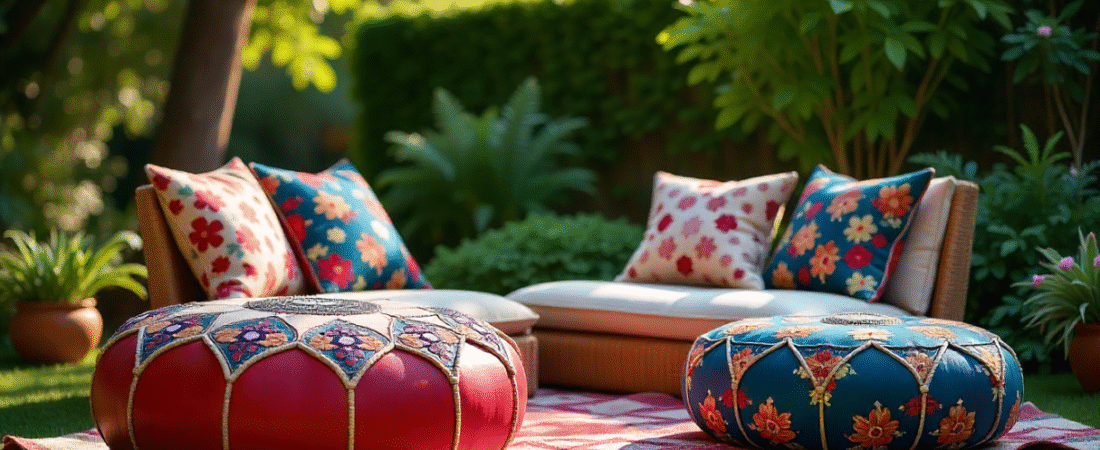
Leather has been a part of human culture for thousands of years. Cultural & Traditional Uses From clothing and footwear to tools and decorative items, it has always been valued for its strength, flexibility, and beauty. Across the world, different communities have developed their own special ways of working with leather. These traditional skills are often passed down through families, keeping history alive in every stitch and design. Each region adds its own touch, shaped by its culture, climate, and lifestyle.
The cultural & traditional uses of leather are not just about making useful things but also about telling stories and sharing identity. A handmade leather piece can show the values, beliefs, and creativity of the people who made it. Today, these traditions are still alive, and many of them are appreciated as works of art. From Morocco to Japan, from India to Native America, leather crafts connect us to history while also fitting into modern design and fashion.
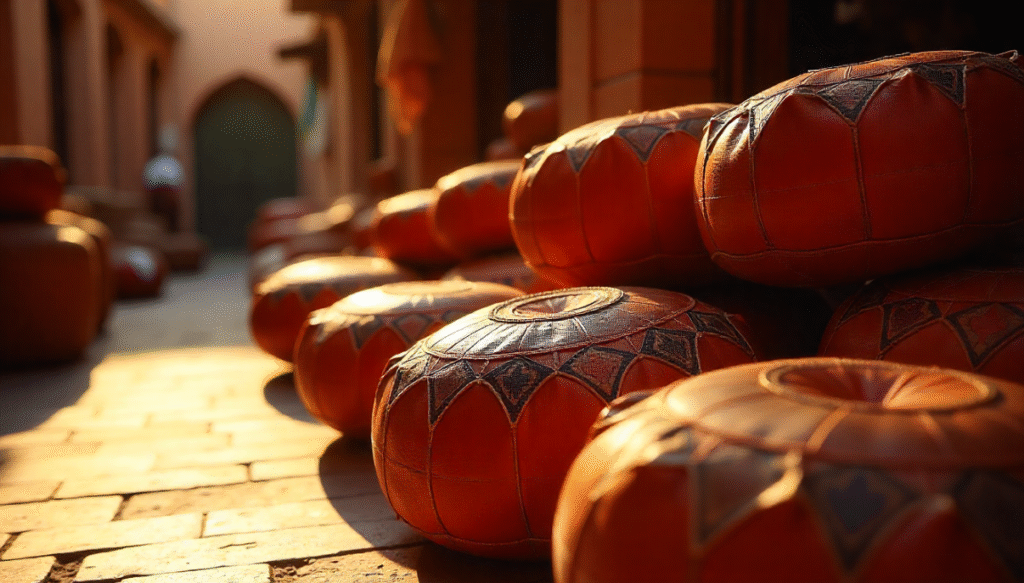
Moroccan leather poufs handmade
Moroccan leather poufs are colorful and practical pieces of home décor. They are often hand-stitched from genuine leather and filled with cotton or wool. Artisans use natural dyes to create bright patterns, making each pouf unique. These poufs are not only for sitting but also bring a warm cultural touch to modern homes.
Italian vegetable tanned leather art
Italy is famous for its vegetable-tanned leather. This method uses natural plant tannins to treat the leather, giving it a rich color and long life. Italian artisans often turn this leather into wallets, belts, and luxury bags. The art reflects elegance and tradition, showing how culture and quality come together in timeless pieces.
Japanese lacquered leather crafts
In Japan, leather is sometimes coated with lacquer to make it shiny and strong. This special technique is known as “urushi,” and it has been used for centuries. Lacquered leather items are both beautiful and durable, often made into accessories, boxes, or armor. They reflect the Japanese way of mixing art with function.
Indian embossed leather puppets
India has a long tradition of leather puppetry, especially in southern states. Craftsmen emboss colorful designs on thin leather to create puppets used in shadow plays. These puppets tell stories from epics like the Ramayana and Mahabharata. It is not only entertainment but also a way of passing culture and history to new generations.
Native American leather beadwork
Native American tribes are known for their leather beadwork, used in clothing, moccasins, and ceremonial items. The beads are hand-sewn into patterns that often hold spiritual meaning. Each design tells a story about nature, family, or tradition. This craft continues today as a way of honoring cultural identity and heritage.
Spanish leather bookbinding traditions
Spain has a rich history of using leather in bookbinding. Since medieval times, artisans have wrapped books in decorated leather covers. These covers often include gold stamping and carved designs. Such works are not only protective but also show the cultural respect for knowledge and storytelling.
Turkish hand-tooled leather belts
In Turkey, leather belts are often made with hand-tooling techniques. Craftsmen press patterns into the leather using metal stamps. These belts are both functional and decorative, showing detailed designs inspired by Turkish culture. They are worn during cultural events and festivals, adding tradition to daily life.
African leather shield decorations
In many parts of Africa, warriors used leather-covered shields. These shields were not only protective but also decorated with painted designs. The colors and patterns often showed tribe identity and bravery. Today, these decorated shields are used in cultural ceremonies and as artistic home décor.
Middle Eastern leather calligraphy art
The Middle East is known for its beautiful calligraphy, and sometimes this art is placed on leather. Skilled artists write Arabic verses or poetry on leather using special tools. These artworks are highly valued, combining writing, design, and culture in one piece. It reflects the deep respect for art and tradition in the region.
Conclusion
Leather has always been more than just a material; it is a cultural expression that carries stories and values from one generation to another. Every country and community adds its own creativity, from Moroccan poufs to Japanese lacquered pieces and Native American beadwork. These traditions are reminders of how people shaped leather into art, comfort, and identity.
Today, many of these cultural & traditional uses are still alive and admired. While some are sold in markets and homes around the world, others remain deeply tied to festivals and ceremonies. In both cases, they show us that leather is not just useful but also meaningful. It connects people to their roots and keeps cultural beauty alive in a modern world.
FAQs
Q1: Why is leather important in culture?
Leather is important because it was one of the first materials humans used for clothing, tools, and art. It shows history and tradition.
Q2: What makes handmade leather special?
Handmade leather items are unique. They show the skill, time, and creativity of the artisan, making each piece one of a kind.
Q3: Are traditional leather crafts still made today?
Yes, many traditional crafts are still made. Some are for cultural use, while others are sold as luxury or décor items.
Q4: How do different countries use leather in art?
Each country has its own style. For example, Morocco makes poufs, India makes puppets, Japan uses lacquer, and Native Americans create beadwork.
Q5: Can leather crafts be eco-friendly?
Yes, many traditional methods use natural dyes and vegetable tanning, which are safer for the environment.