
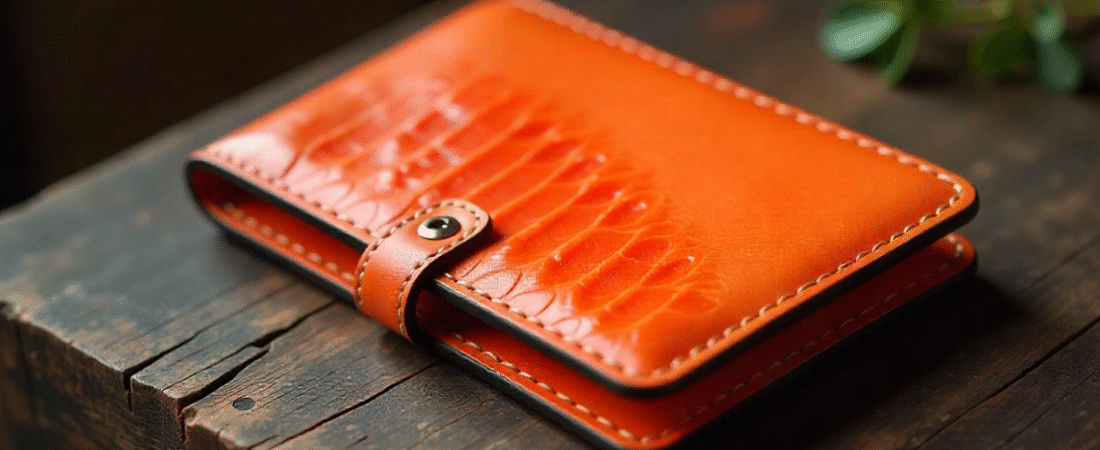
Sustainable & Rare Leather is becoming more popular in the fashion world as people look for eco-friendly and unique alternatives to traditional leather. Unlike regular leather, which often relies on intensive animal farming and chemical processes, sustainable leather focuses on reducing environmental impact while offering high-quality materials. From fish leather wallets to cactus leather, designers are exploring new ways to combine luxury with responsibility. Sustainable leather not only looks stylish but also supports ethical fashion practices, making it a smart choice for conscious shoppers.
Rare leather types, such as salmon, ostrich, and stingray, bring a unique texture and premium feel to products. These materials are often sourced carefully to ensure minimal harm to animals and the environment. Eco-friendly production processes and innovative designs are helping fashion brands stand out in a crowded market. Sustainable leather pieces are versatile and durable, offering longevity that traditional leather sometimes cannot. Whether it is a bold wallet, a luxury handbag, or a unique belt, rare leather products make a statement while staying true to environmental and ethical values. Choosing sustainable and rare leather is not just a fashion choice—it’s a lifestyle that supports the planet and celebrates creativity in design.
Bold Fish Leather Wallets: Sustainable Fashion
Fish leather wallets are gaining attention for their eco-friendly appeal and durability. Made from fish skin that would otherwise be discarded, these wallets are both sustainable and stylish. Their natural texture adds a bold look, perfect for anyone who wants a unique accessory. Fish leather also requires fewer chemicals than traditional leather, reducing its environmental impact.
Salmon Leather Handbags: Eco-Friendly Style
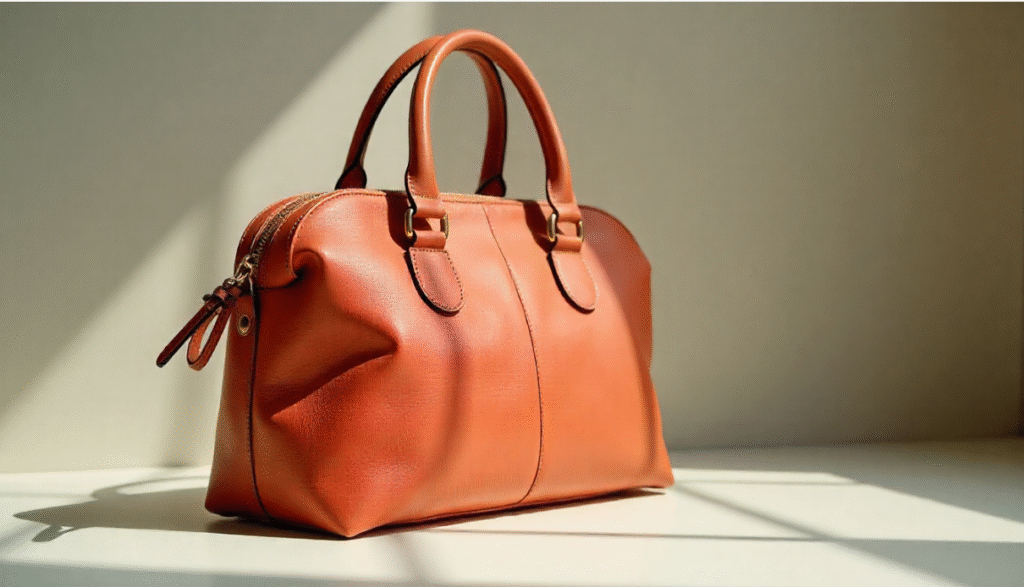
Salmon leather is a luxurious yet sustainable option for handbags. Its soft texture and natural patterns make each bag unique. Salmon leather is produced using waste from the fishing industry, turning by-products into fashionable, eco-conscious pieces. Choosing salmon leather handbags supports sustainability while offering high-quality fashion.
Ostrich Leather Boots: Luxury Market Favorite
Ostrich leather is known for its distinctive quill pattern and softness. It is a favorite in the luxury market for boots and other high-end items. Ostrich leather is durable, long-lasting, and adds a sophisticated touch to any outfit. Its rarity makes it a sought-after material among fashion enthusiasts.
Stingray Leather Belts: Unique Texture
Stingray leather is famous for its pebbled texture and durability. Belts made from stingray leather are strong, resistant to scratches, and visually striking. This rare leather adds a distinctive edge to fashion accessories while maintaining high quality and longevity.
Cactus Leather: Vegan Alternative
Cactus leather is a modern vegan leather option made from cactus plants. It is soft, durable, and environmentally friendly, offering a cruelty-free alternative to animal leather. Cactus leather is ideal for bags, wallets, and other accessories for eco-conscious consumers.
Kangaroo Leather: Lightweight and Strong
Kangaroo leather is prized for being lightweight yet extremely strong. It is often used for shoes and gloves, providing comfort without compromising durability. Sustainable sourcing ensures minimal environmental impact while offering premium quality.
Pineapple Leather: Fashionable Vegan Choice
Pineapple leather, made from pineapple leaves, is a stylish and sustainable material. It is soft, textured, and perfect for handbags, wallets, and small accessories. Using pineapple leather supports agricultural sustainability and reduces waste in farming.
Recycled Leather: Eco-Conscious Classic
Recycled leather uses scraps from other leather products to create new items. This reduces waste and environmental footprint while still offering the feel and quality of traditional leather. It is an affordable, sustainable option for fashion lovers who want eco-friendly choices.
Conclusion
Sustainable and rare leather is changing the way we think about fashion. From fish and salmon leather to cactus and pineapple alternatives, there are many eco-friendly options that are stylish, durable, and ethical. Choosing these materials supports environmental sustainability and reduces waste in the fashion industry. Rare leathers, like ostrich and stingray, bring unique textures and luxurious appeal, while vegan options like cactus and pineapple leather ensure cruelty-free choices.
Investing in sustainable leather is not only a smart fashion choice but also a responsible lifestyle decision. These materials provide long-lasting quality and help consumers make mindful decisions that benefit the planet. With so many options available, everyone can find a piece that fits their style while staying eco-conscious. Fashion can be both beautiful and sustainable, and rare leather is a perfect example of this harmony. By supporting sustainable leather, we embrace creativity, luxury, and environmental responsibility in one stylish package.
FAQs
Q1: What makes leather sustainable?
A: Sustainable leather is produced with minimal environmental impact, often using by-products, eco-friendly processes, and ethical sourcing.
Q2: Is cactus leather durable?
A: Yes, cactus leather is soft, strong, and lasts long, making it a great vegan alternative to traditional leather.
Q3: Are rare leathers eco-friendly?
A: Many rare leathers, like salmon and stingray, are sourced carefully to reduce waste and environmental harm.
Q4: Can I find affordable sustainable leather products?
A: Yes, recycled and plant-based leathers offer stylish and eco-friendly options at different price points.