
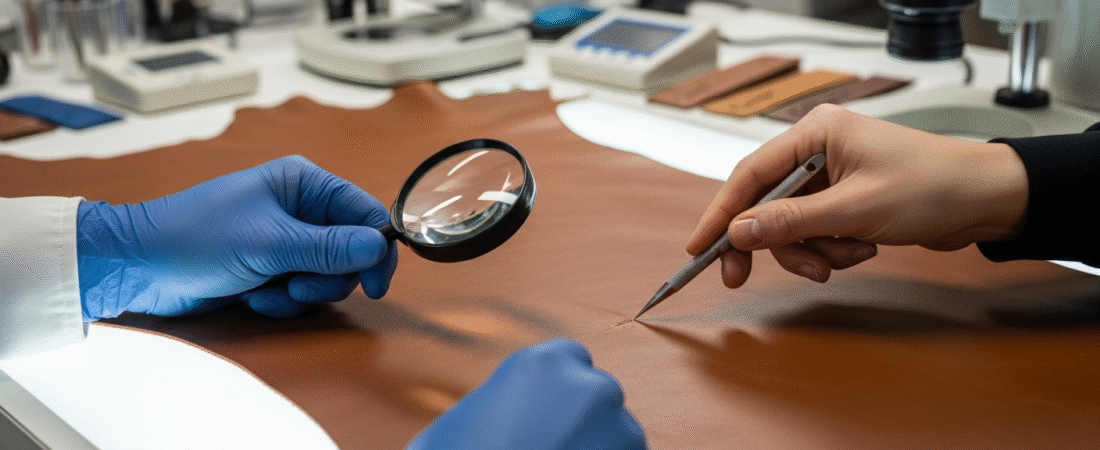
Leather Inspection and QC Services play a vital role in maintaining the superior quality of leather goods. Every leather product—from shoes to furniture—must meet strict industry standards before reaching customers. To ensure this, professional leather inspection services identify flaws, verify durability, and confirm that each piece matches the required specifications.
High-quality leather inspection not only enhances product reliability but also strengthens brand reputation. When businesses invest in professional QC services, they avoid costly returns and customer complaints. Let’s explore everything about leather inspection and QC services, including their process, benefits, and why they matter for global trade and manufacturing.
What Are Leather Inspection and QC Services?
Leather inspection and QC services involve detailed examination and testing of leather materials and finished products. These services confirm whether leather meets desired quality standards for color, thickness, flexibility, and overall performance.
Inspectors check for imperfections such as scratches, stains, uneven tanning, and texture inconsistencies. Using specialized tools, they test factors like tear resistance, tensile strength, and moisture absorption. By maintaining this process, manufacturers ensure that only the best-quality leather products reach consumers.
Why Leather Quality Control Is Essential
Quality control helps prevent issues before products enter the market. Without thorough inspection, companies risk selling substandard leather that could quickly wear or tear.
Moreover, consistent QC builds trust. When customers receive products with lasting quality, they stay loyal to the brand. Additionally, quality control helps businesses meet export requirements and maintain compliance with international leather standards.
Key Steps in the Leather Inspection Process
Leather inspection follows a systematic process to guarantee reliable results. It begins with material analysis and ends with final product evaluation.
Inspectors first review raw hides, ensuring they are properly tanned and treated. Next, they check color uniformity and surface finish. Afterward, mechanical tests determine durability and strength. Finally, packaging inspection ensures that products remain protected during shipping.
This multi-step approach minimizes defects, reduces production waste, and guarantees customer satisfaction.
Types of Leather Inspections Offered
Professional QC agencies provide several types of leather inspection and QC services based on client needs.
1. Pre-production inspection: Conducted before manufacturing begins, ensuring materials meet quality benchmarks.
2. During-production inspection: Checks samples mid-production to correct any defects early.
3. Final random inspection: Verifies that finished leather products match approved specifications.
4. Loading supervision: Ensures that packaging, labeling, and transportation meet safety and quality standards.
These inspection types together ensure a flawless leather supply chain.
Common Defects Found During Leather Inspection
Even high-quality leather can have imperfections. Trained inspectors look for signs that affect durability or appearance.
Typical defects include uneven grain, wrinkles, stains, color fading, and poor stitching. In some cases, leather may also show signs of improper tanning, causing brittleness or odor. By identifying such problems early, QC teams help prevent large-scale production issues.
Tools and Equipment Used in Leather QC
Modern technology plays an important role in accurate leather inspection. Inspectors use specialized tools such as micrometers, abrasion testers, and moisture analyzers.
These instruments measure exact thickness, resistance, and elasticity. In addition, digital microscopes reveal hidden surface flaws that the human eye might miss. Combining human expertise with technology ensures precise and reliable inspection results.
Benefits of Professional Leather Inspection Services
Partnering with an expert QC company brings multiple advantages. It enhances consistency, reduces production errors, and ensures compliance with customer standards.
Moreover, these services improve supply chain efficiency by catching issues early. By maintaining high-quality control, companies protect their brand reputation and minimize financial losses. In competitive markets, consistent leather quality can set a business apart from others.
Global Standards for Leather Quality Control
To maintain international credibility, leather inspection must follow recognized global standards. These include tests for tensile strength, water resistance, and dye stability.
Following such standards ensures that leather products meet safety and performance expectations across various markets. International buyers often require certifications, making strict QC compliance a necessity for exporters.
How Leather QC Services Support Sustainability
Sustainability is a growing focus within the leather industry. Proper inspection reduces waste by ensuring efficient use of materials.
Additionally, QC processes encourage eco-friendly tanning and finishing practices. By using approved chemicals and reducing rejects, manufacturers lower their environmental impact while maintaining high product quality.
Choosing the Right Leather Inspection Company
Selecting a reliable inspection partner requires attention to experience, equipment, and transparency.
A professional QC agency should provide detailed reports, photographs, and measurable test results. Additionally, they must understand different leather grades and manufacturing techniques. Choosing the right partner guarantees accuracy, consistency, and long-term trust.
Cost of Leather Inspection and QC Services
The cost of leather inspection and QC services depends on inspection scope, location, and production scale.
While initial expenses may seem high, the long-term savings outweigh them. By preventing returns and maintaining brand reliability, businesses gain better profit margins and customer loyalty. Therefore, investing in proper QC pays off over time.
Future of Leather Inspection and AI Integration
Technology continues to transform leather inspection. AI-driven tools now analyze textures, colors, and defects automatically.
Artificial Intelligence (AI) reduces human error and speeds up the inspection process. Combined with data analytics, it helps manufacturers identify trends, predict issues, and improve quality at scale. As AI evolves, leather QC will become faster, more accurate, and more sustainable.
Conclusion:
Strong quality control defines the success of every leather brand. With professional leather inspection and QC services, companies can ensure that each product reflects craftsmanship, durability, and style.
If you want to enhance customer trust and brand value, now is the time to invest in reliable inspection services. Choose quality today—because excellence begins with control.
FAQs
1. What is the purpose of leather inspection and QC services?
Leather inspection ensures products meet quality, performance, and safety standards before reaching customers.
2. What are the main types of leather inspections?
They include pre-production, during-production, final random, and loading inspections.
3. How do QC services improve leather quality?
They identify and correct defects early, improving consistency and reducing waste.
4. Are leather QC services necessary for small businesses?
Yes. Even small brands benefit from QC because it ensures long-lasting quality and customer satisfaction.
5. How does AI improve leather inspection?
AI detects flaws faster and more accurately, helping maintain high standards across large-scale production.