
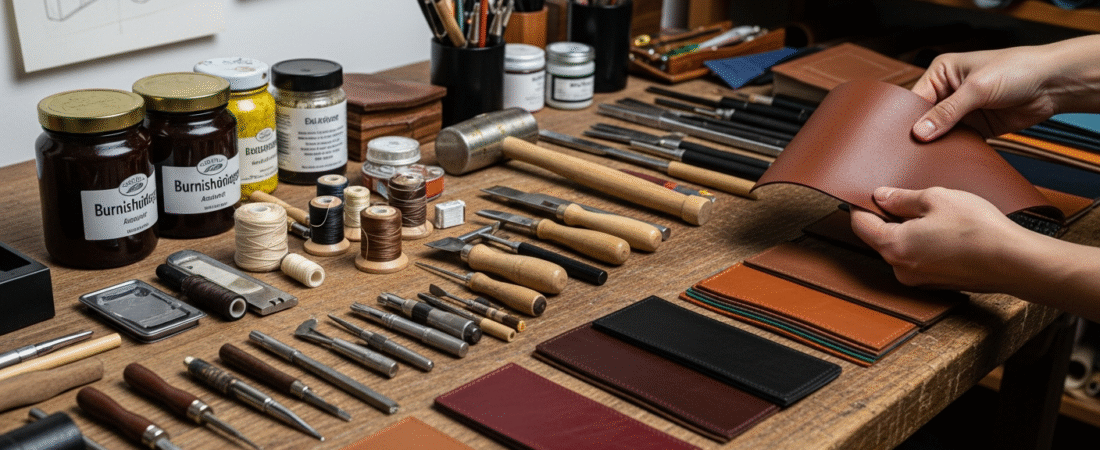
Luxury Leather Brands Sourcing Italy fine materials and craftsmanship have long been the gold standard in global fashion. From Florence to Milan, Italian artisans blend tradition, innovation, and elegance to produce world-class leather goods. With every stitch and texture, these creations reflect quality and heritage that’s unmatched anywhere else in the world.
Italy stands at the heart of the luxury leather industry. Its tanneries, known for centuries of excellence, provide the finest materials for handbags, shoes, belts, and accessories. Whether it’s a global fashion house or a niche designer, brands source from Italy to ensure their products represent sophistication, durability, and style.
Why Luxury Brands Choose Italy for Leather Sourcing
Luxury leather brands sourcing Italy understand that authenticity begins with material selection. Italian leather is famous for its smooth finish, natural grain, and long-lasting quality. Each hide undergoes a careful tanning process, ensuring texture, color, and flexibility meet premium standards.
Moreover, Italy’s artisans follow sustainable and ethical production methods. Many tanneries use vegetable tanning, reducing environmental harm while maintaining quality. As a result, leather from Italy doesn’t just look luxurious—it supports responsible craftsmanship.
Innovation also plays a key role. Italian tanneries combine traditional skills with modern technology, ensuring every batch of leather meets global luxury requirements. From buttery-soft calfskin to exotic textures, Italian suppliers deliver perfection for high-end brands.
The Art of Italian Leather Craftsmanship
Behind every luxury product lies a deep artistic tradition. Italian leather artisans spend years mastering their craft. Their skill lies not only in cutting and stitching but also in understanding how leather behaves under pressure, polish, and wear.
Each piece begins with selecting the best hide. Then, artisans tan, dye, and finish it with meticulous attention to detail. Transitioning between stages, they rely on experience and precision to maintain consistency. As a result, Italian leather ages beautifully, gaining character over time.
This attention to detail explains why top global fashion houses—from Paris to New York—trust Italian suppliers. They know that the artistry of Italian craftsmanship transforms raw leather into timeless luxury.
Regions Leading the Luxury Leather Industry in Italy
When discussing luxury leather brands sourcing Italy, several regions stand out. Tuscany, especially the Santa Croce sull’Arno district, is world-famous for vegetable-tanned leather. Skilled artisans here have preserved ancient methods while integrating eco-friendly innovations.
In the Veneto region, tanneries focus on smooth, refined finishes ideal for high-end accessories. Lombardy’s manufacturers, centered around Milan, specialize in contemporary techniques and design collaborations with major fashion houses.
Each region offers something unique—be it sustainable tanning, artisanal expertise, or innovative texture development. Together, they shape Italy’s reputation as the global hub of luxury leather production.
What Makes Italian Leather Different?
Italian leather stands apart due to its authenticity, durability, and aesthetic appeal. The tanning process, often done using natural tannins, enhances both softness and strength. Unlike mass-produced alternatives, Italian leather retains its natural grain, giving every piece a distinct character.
Furthermore, Italian leather maintains color richness over time. While other materials fade or crack, Italian leather develops a soft patina that increases its beauty. Transitioning from factory to fashion house, this material maintains consistency that luxury designers demand.
For consumers, owning a product made from Italian leather represents prestige, elegance, and long-lasting value.
How Luxury Brands Source Leather from Italy
The sourcing process begins with relationship building. Luxury leather brands work directly with Italian tanneries known for reliability and craftsmanship. Brands inspect samples, assess sustainability practices, and evaluate production capacity before partnership.
Many tanneries offer custom tanning and coloring services. This allows brands to create exclusive materials that align with their design identity. Transparency and traceability remain key—brands increasingly demand visibility into every production stage.
Additionally, digital sourcing platforms now connect international designers with certified Italian suppliers. This combination of tradition and technology enhances efficiency and global reach.
Sustainability in Italian Leather Sourcing
Today, sustainability defines the future of luxury. Italian tanneries lead this movement through eco-friendly production methods and waste reduction practices. Vegetable tanning uses natural tannins extracted from tree bark instead of harsh chemicals.
Water recycling systems, renewable energy, and ethical labor policies also set Italian tanneries apart. Transitioning to greener operations, they ensure that luxury remains environmentally responsible.
Consumers increasingly prefer brands that source responsibly. By choosing Italy, luxury labels combine environmental care with exquisite quality.
Famous Luxury Brands That Source Leather from Italy
Many globally recognized brands source leather from Italy. Names like Gucci, Prada, Bottega Veneta, and Ferragamo rely on Italian suppliers for their premium products. These brands emphasize tradition, quality, and attention to detail—values deeply rooted in Italian culture.
Their partnership with Italian tanneries ensures that every handbag, shoe, or accessory upholds high craftsmanship standards. Moreover, these collaborations highlight Italy’s continued dominance in the luxury leather market.
By associating with Italian sources, brands elevate their reputation and attract discerning customers who seek genuine luxury.
Challenges in Sourcing Luxury Leather from Italy
While Italy remains a leader, sourcing high-quality leather isn’t without challenges. Rising costs, strict environmental regulations, and limited raw material availability affect pricing and supply.
Moreover, ensuring transparency across the supply chain requires constant oversight. Brands must verify certifications, labor conditions, and sustainability claims.
However, these challenges also strengthen Italy’s position. They push tanneries and brands to innovate, ensuring consistent quality and responsible production.
Future Trends in Italian Leather Sourcing
The future of luxury leather brands sourcing Italy lies in digital transformation and sustainability. Artificial intelligence assists in predicting demand and optimizing supply chains. At the same time, new tanning technologies aim to reduce carbon footprints without sacrificing quality.
Another trend is material traceability using blockchain. This ensures authenticity and boosts consumer trust. As the market evolves, Italian craftsmanship continues adapting while preserving its timeless artistry.
Innovation and heritage together will keep Italy at the forefront of luxury leather sourcing.
Tips for Brands Sourcing Leather from Italy
To succeed, brands should focus on transparency, quality assurance, and long-term partnerships. Visiting tanneries personally helps build trust and ensures product consistency.
Additionally, brands should prioritize suppliers certified by recognized industry standards. Investing in sustainability not only supports the planet but also enhances brand image.
By maintaining open communication with Italian partners, brands can achieve creative, durable, and luxurious results.
Conclusion:
Luxury leather brands sourcing Italy invest in heritage, quality, and sustainability. Every piece of Italian leather tells a story—of skilled hands, tradition, and passion for perfection. For any brand seeking to elevate its identity, sourcing from Italy isn’t just a choice; it’s a statement of excellence.
FAQs
1. Why is Italian leather considered the best?
Italian leather is renowned for its superior quality, softness, and craftsmanship. Its natural tanning methods ensure durability and elegance.
2. Which regions in Italy are famous for leather production?
Tuscany, Veneto, and Lombardy are major regions known for premium leather production. Each offers unique techniques and finishes.
3. Are Italian tanneries environmentally friendly?
Yes, many Italian tanneries use sustainable methods such as vegetable tanning and water recycling systems.
4. How do brands source leather from Italy?
Brands partner directly with certified Italian tanneries or use verified sourcing platforms to ensure quality and transparency.
5. What trends are shaping the future of Italian leather sourcing?
Sustainability, AI-driven sourcing, and blockchain-based traceability are major trends influencing the future of Italian leather production.