
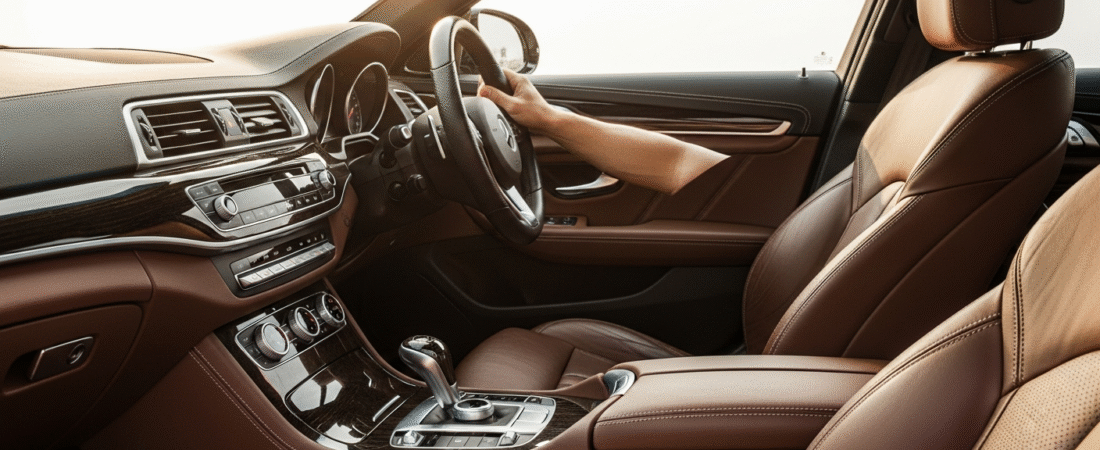
Automotive Grade Leather Specifications plays a major role in vehicle comfort and luxury, and many buyers constantly look for materials that deliver durability, elegance, and long-term value. Because drivers demand enhanced quality, manufacturers follow strict automotive grade leather specifications that define strength, resistance, safety, and appearance. Therefore, understanding these standards helps every buyer choose better.
What Automotive Grade Leather Specifications Mean
Automotive grade leather specifications explain how leather must perform under daily pressure. Because vehicles face heat, friction, and movement, the leather needs controlled quality. Moreover, these specifications outline thickness, grain structure, flexibility, coating quality, and endurance. Consequently, every tested value ensures the material stays reliable, attractive, and long-lasting inside any vehicle.
Types of Automotive Grade Leather Used in Vehicles
Various leather types support different performance expectations. Because users want comfort and style, manufacturers select full-grain, top-grain, split leather, or synthetic-coated leather. Additionally, each type follows automotive grade leather specifications to maintain uniform texture and strength. Therefore, drivers receive materials that look premium while still handling constant use.
Why Automotive Leather Needs Strict Industry Standards
Automotive interiors face UV rays, heavy friction, climate changes, and continuous touch. Since these conditions impact material lifespan, strict standards protect the leather from cracking or discoloration. Furthermore, these specifications provide benchmarks that maintain luxury quality. As a result, car owners gain dependable interiors that keep their original appearance for years.
Key Performance Specifications for Automotive Grade Leather
Automotive leather must meet several performance values such as tensile strength, abrasion resistance, colorfastness, water resistance, breathability, and flame resistance. Because these characteristics improve safety and durability, manufacturers test each batch. Consequently, any leather that fails a requirement gets rejected to maintain interior quality and brand reputation.
Tensile Strength Requirements in Automotive Leather
Tensile strength describes how much force leather can handle before tearing. Since seats experience movement and weight pressure, high tensile strength is essential. Additionally, automotive grade leather specifications demand uniform fiber structure for reliable performance. Therefore, strong tensile values help interior components maintain shape and avoid early damage.
Abrasion Resistance and Longevity Expectations
Abrasion resistance measures how well leather withstands constant rubbing. Because seats and steering wheels experience continuous contact, this value must meet strict limits. Moreover, abrasion-resistant leather keeps surfaces smooth for longer. Consequently, drivers enjoy long-term comfort while maintaining a clean, premium appearance inside the vehicle over many years.
Colorfastness Standards for Automotive Leather
Colorfastness explains how leather maintains color when exposed to sunlight or cleaning chemicals. Since car interiors receive direct sunlight, these specifications must be strong. Additionally, proper dyeing techniques improve UV resistance and prevent fading. Therefore, high colorfastness ensures every leather surface remains vibrant, consistent, and visually appealing throughout its use.
Heat and Flame Resistance Requirements
Automotive interiors require materials that withstand heat and meet fire-safety rules. Because vehicles reach high temperatures, leather must resist heat deformation. Furthermore, flame-retardant coatings help reduce ignition risks. Consequently, automotive grade leather specifications enhance passenger safety while keeping materials stable in challenging climate conditions.
Water and Liquid Resistance Capabilities
Vehicles face moisture, spills, and humidity, so leather must offer reliable water resistance. Since liquids can stain or weaken fibers, coatings protect the material. Additionally, automotive grade leather specifications require surfaces that repel water without losing softness. Therefore, drivers gain interiors that handle accidents while staying clean and durable.
Breathability and Comfort Expectations
Comfort matters in every premium vehicle, and breathability supports that comfort. Because breathable leather controls moisture and temperature, passengers experience better airflow. Moreover, automotive grade leather specifications demand balanced porosity. Consequently, drivers receive interiors that remain comfortable during long trips while reducing heat buildup on seats.
Coating and Finishing Standards in Automotive Leather
Leather coatings determine shine, touch, protection, and lifespan. Since the finish layer protects against scratches, stains, and UV damage, coating quality matters. Additionally, automotive grade leather specifications require smooth application without imperfections. Therefore, high-quality finishes improve both appearance and long-term stability inside any vehicle.
Thickness and Grain Structure Requirements
Proper thickness ensures durability while maintaining flexibility. Because thin leather tears easily and thick leather feels rigid, specifications define ideal ranges. Moreover, grain structure determines softness and visual quality. Consequently, manufacturers follow precise measurements to balance strength, comfort, and luxury across all interior components.
Environmental and Sustainability Standards
Modern automotive leather follows sustainability guidelines to reduce environmental impact. Since consumers expect responsible materials, manufacturers use eco-friendly tanning processes. Additionally, automotive grade leather specifications include chemical limits that protect users and workers. Therefore, sustainable leather supports comfort while lowering ecological footprints.
Testing Methods Used to Verify Leather Specifications
Manufacturers use laboratory tests such as rub tests, UV chamber tests, flame tests, tear tests, and moisture analyses. Because accurate results ensure compliance, every batch undergoes these inspections. Moreover, automotive grade leather specifications rely on measured data. Consequently, only leather that passes all tests enters vehicle production lines.
How Manufacturers Ensure Quality Consistency
Quality consistency requires skilled inspection teams, automated measurement systems, and continuous monitoring. Since variation reduces reliability, manufacturers check grain patterns, coating thickness, and dye uniformity. Additionally, feedback systems correct deviations quickly. Therefore, consistent production helps car brands maintain premium interior standards.
Choosing Automotive Leather Based on Specifications
Car buyers often want leather that offers comfort, beauty, and resilience. Because automotive grade leather specifications define these features, understanding them helps customers make better decisions. Moreover, reading these specifications reveals the leather’s long-term performance potential. Consequently, buyers confidently select materials that match their lifestyle and expectations.
Benefits of Understanding Automotive Grade Leather Specifications
Understanding these specifications allows buyers, designers, and businesses to make informed decisions. Since every performance value influences comfort and lifespan, knowledge reduces risk. Additionally, these insights help compare materials across different vehicles. Therefore, users gain increased clarity and confidence when selecting the best automotive leather.
Conclusion
Automotive grade leather specifications shape comfort, durability, and long-term value across every vehicle interior. Because these standards define strength, resistance, safety, and appearance, they help buyers, businesses, and designers evaluate materials confidently. Therefore, choosing leather that meets these specifications ensures luxury performance.
Take action today and select automotive leather that delivers quality, safety, and lasting style.
FAQs
1. What makes automotive grade leather different from regular leather?
Automotive grade leather meets strict durability, UV resistance, and heat-stability standards that regular leather cannot match.
2. Why do manufacturers test leather before installation?
Testing ensures the material passes performance requirements for strength, color retention, comfort, and safety.
3. Is synthetic automotive leather included in these specifications?
Yes, synthetic options follow similar specifications to maintain durability and appearance inside vehicles.
4. Can automotive leather resist daily wear?
Yes, automotive leather is designed to resist abrasion, stretching, heat, and sunlight for long-term use.
5. How do specifications improve user experience?
Specifications ensure the leather remains comfortable, safe, attractive, and durable throughout its lifespan.