
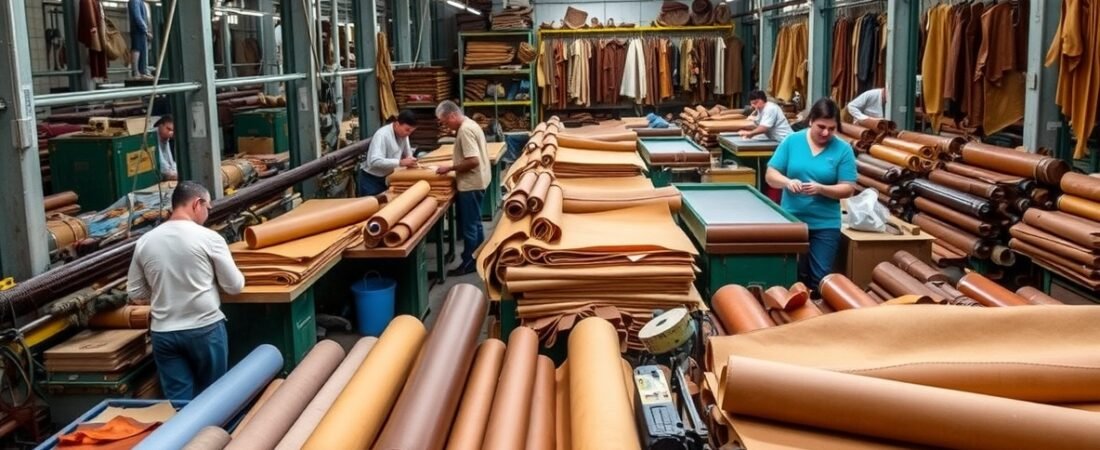
Brazil is one of the world’s top producers of leather, combining rich natural resources, skilled craftsmanship, and advanced technology. The Brazil Leather Processing Companies are known globally for their sustainability, quality, and innovation. This industry plays a vital role in Brazil’s economy, supplying premium leather for fashion, automotive, and furniture markets worldwide.
Understanding the Leather Industry in Brazil
Brazil has a long history of cattle farming, providing an abundant supply of hides for processing. As a result, Brazil leather processing companies have become leaders in global leather exports. Many companies focus on modern techniques that enhance quality while minimizing environmental impact. With access to advanced tanning technologies, they meet the growing demand for sustainable and ethically produced leather.
How Leather Processing Works in Brazil
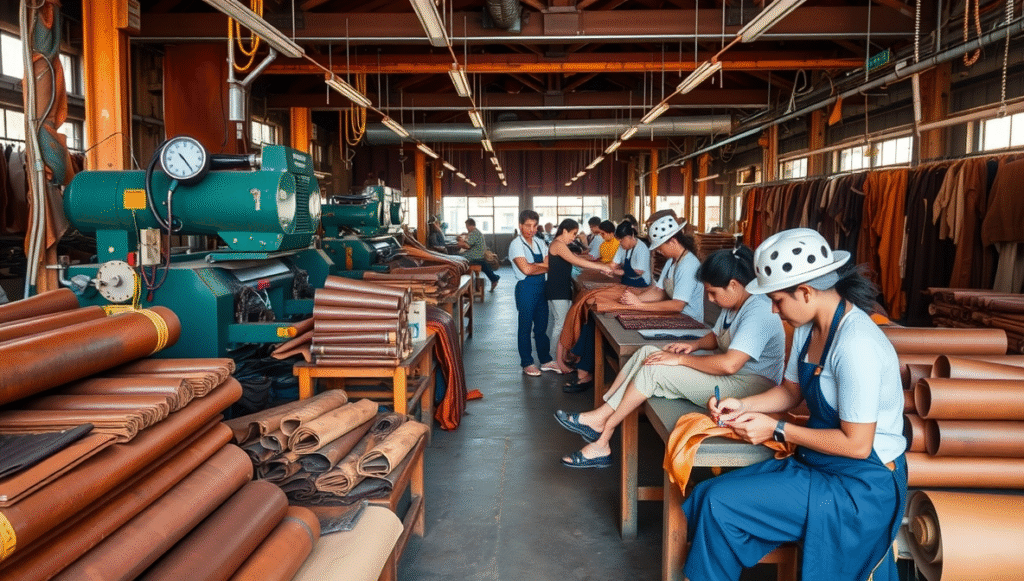
The leather processing journey begins with raw hides collected from local slaughterhouses. These hides are cleaned, treated, and tanned to create durable material. Brazil leather processing companies often use chrome tanning or vegetable tanning, depending on the desired finish. Advanced machinery ensures precision, while quality checks at each stage maintain international standards. This careful approach guarantees leather that is both strong and stylish.
Top Qualities of Brazilian Leather
Brazilian leather is celebrated for its softness, strength, and smooth finish. It stands out because of its natural grain, high flexibility, and long-lasting performance. Many Brazil leather processing companies invest in eco-friendly tanning agents and water-saving systems. As a result, Brazilian leather appeals to brands that value both beauty and sustainability. Its durability and texture make it a favorite in luxury goods manufacturing.
Sustainability Practices in Leather Processing
Sustainability is a cornerstone of Brazil’s leather industry. Most companies follow strict environmental protocols to reduce waste and pollution. They recycle water, use natural dyes, and treat effluents safely. Additionally, Brazil leather processing companies are adopting renewable energy sources to power production. These eco-friendly steps not only protect nature but also build a positive brand reputation globally.
Role of Technology in Leather Manufacturing
Technology has transformed the leather industry in Brazil. From digital cutting machines to automated drying systems, innovation boosts precision and efficiency. Modern Brazil leather processing companies rely on AI-based monitoring tools to track production quality in real time. These advancements ensure consistent results and faster delivery without compromising craftsmanship.
Global Reach of Brazilian Leather
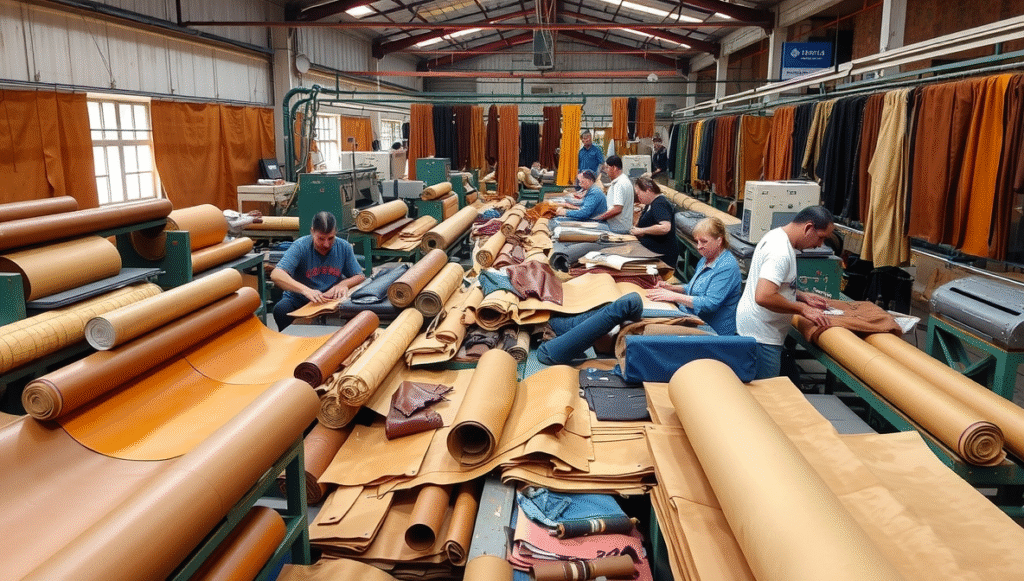
Brazil exports leather to over 80 countries, including Italy, China, and the United States. The high-quality products from Brazil leather processing companies attract international designers and manufacturers. Export success is fueled by strong trade relations and certifications that prove quality and sustainability. This global presence solidifies Brazil’s position as a trusted leather supplier.
Challenges Faced by Leather Processing Companies
Despite success, the industry faces challenges such as environmental regulations, rising production costs, and global competition. Brazil leather processing companies continuously adapt by investing in research and cleaner production methods. By promoting traceability and transparency, they strengthen customer trust and remain competitive in international markets.
Importance of Ethical Production
Ethical sourcing and humane practices are essential in modern manufacturing. Many Brazil leather processing companies ensure animal hides come from approved farms that follow welfare standards. Additionally, fair labor policies and worker safety are prioritized. This ethical commitment supports a sustainable and responsible leather industry that benefits all stakeholders.
How Brazil Maintains Quality Standards
Brazil’s leather sector maintains strict quality standards backed by certification bodies like the Leather Working Group (LWG). Brazil leather processing companies conduct regular audits, ensuring compliance with global norms. Quality control begins with raw material selection and continues through each processing phase. This commitment ensures every piece of leather meets world-class expectations.
Future of Leather Processing in Brazil
The future looks bright for Brazil’s leather industry. With growing demand for sustainable materials, Brazil leather processing companies are investing in green chemistry and digital innovation. Artificial intelligence, data tracking, and smart logistics are reshaping production methods. As these technologies evolve, Brazilian leather will continue leading in quality and eco-responsibility.
Why Choose Brazilian Leather for Your Business
Businesses seeking premium, durable, and sustainable leather find Brazil an ideal choice. The Brazil leather processing companies combine artistry with technology to deliver exceptional value. Whether for shoes, furniture, or car interiors, Brazilian leather enhances any product’s appeal. Its eco-conscious production and superior finish make it a smart investment for global brands.
Conclusion:
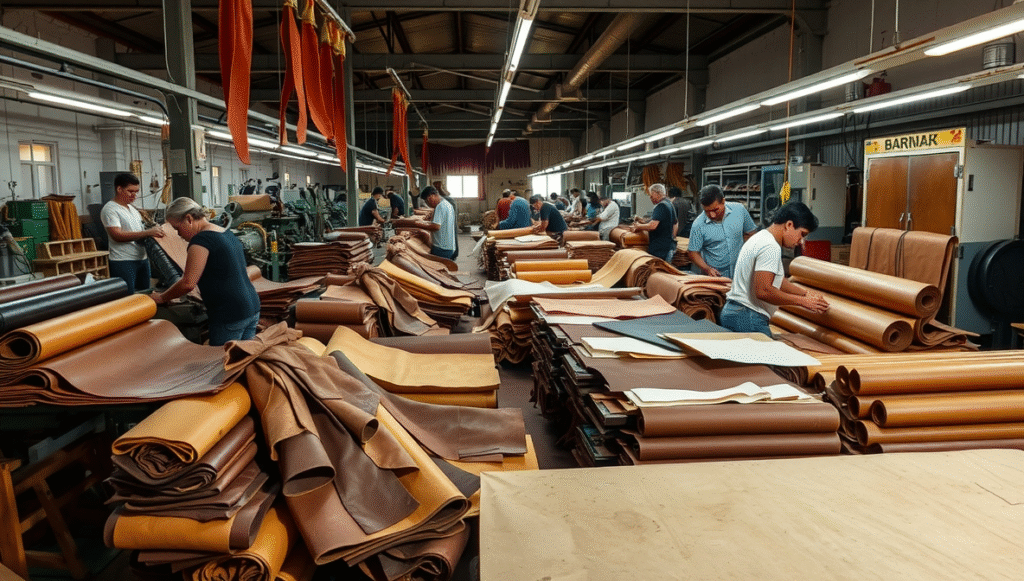
Brazil’s leather industry blends tradition, innovation, and responsibility. The Brazil leather processing companies stand out for their quality, sustainability, and global reach. Choosing Brazilian leather means supporting ethical production and enjoying unmatched durability.
Take your business to the next level — partner with a trusted Brazilian leather company today and experience the excellence of genuine craftsmanship.
FAQs
Q1: What makes Brazilian leather unique?
A: Brazilian leather is known for its smooth texture, durability, and eco-friendly processing methods that enhance quality and sustainability.
Q2: Are Brazilian leather companies environmentally friendly?
A: Yes, most Brazil leather processing companies use renewable energy, recycle water, and follow eco-safe tanning techniques.
Q3: Which industries use Brazilian leather the most?
A: Fashion, automotive, and furniture industries widely use Brazilian leather for its durability and luxurious appeal.
Q4: How do Brazilian companies ensure product quality?
A: Companies maintain strict quality control systems and certifications to meet global production standards.
Q5: Can small businesses import leather from Brazil?
A: Absolutely. Many Brazil leather processing companies offer export services tailored for both large and small businesses.