
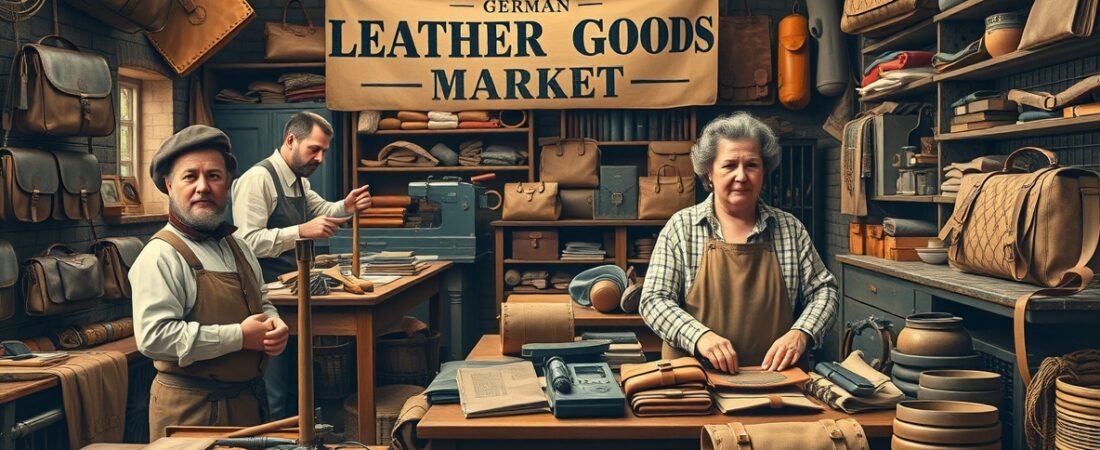
The German Leather Goods Market stands as one of Europe’s most respected industries, known for its craftsmanship, durability, and timeless designs. With both tradition and innovation, Germany has built a strong reputation for producing premium leather products like bags, wallets, shoes, belts, and accessories. This market continues to thrive, fueled by consumer trust, sustainability trends, and advanced manufacturing practices.
Understanding the German Leather Goods Market
Germany’s leather goods industry combines heritage with technology. Manufacturers focus on producing high-quality, eco-friendly products that appeal to both local and international customers. Demand for genuine leather remains strong, especially among premium buyers seeking long-lasting value and luxury appeal. Moreover, sustainability and ethical sourcing have become key selling points across the market.
Market Size and Economic Importance
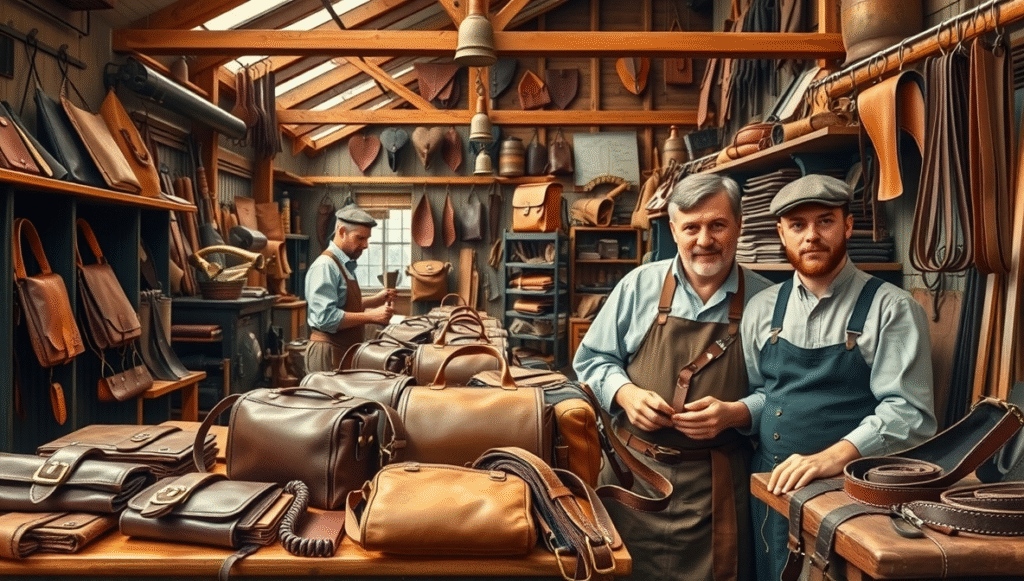
The German leather goods market contributes significantly to the country’s fashion and manufacturing sectors. It supports thousands of workers across design, production, and retail. Continuous demand from both domestic and export markets helps maintain steady growth. Additionally, Germany’s position as a European trade hub strengthens its influence over international leather product trends.
Key Product Segments Driving Growth
Leather handbags, footwear, wallets, and belts dominate the market. Among these, handbags show the strongest sales due to growing fashion awareness and rising income levels. Men’s leather accessories also see a steady increase in demand. As customers seek versatile and durable products, brands focus on combining function with elegance in their designs.
Sustainability Trends in Leather Production
Sustainability has become a cornerstone of modern leather production in Germany. Companies are adopting eco-friendly tanning processes, reducing water waste, and using ethically sourced hides. Many brands also explore plant-based and recycled materials to appeal to environmentally conscious consumers. This approach enhances trust while strengthening global competitiveness.
Impact of Technology on the Leather Industry
Technology plays a major role in transforming the German leather goods market. Advanced machinery, automation, and AI-driven design systems help improve precision and efficiency. Digital platforms allow brands to engage directly with consumers, offering personalized experiences. As a result, production cycles shorten while product quality improves consistently.
Consumer Behavior and Market Preferences
German consumers value quality over quantity. They prefer durable, timeless products that reflect craftsmanship and sustainability. Younger buyers, however, show a growing interest in modern, trendy designs. Online shopping has further boosted sales, with customers seeking detailed product information, ethical sourcing transparency, and customization options.
Leading Brands and Market Competition
Brands like Montblanc, Aigner, and Braun Büffel continue to lead the German leather goods market. These companies uphold traditional manufacturing standards while embracing modern marketing strategies. At the same time, smaller boutique brands attract attention through innovation and eco-friendly craftsmanship, creating healthy competition in the market.
Export and Global Influence
Germany exports a large portion of its leather goods to Europe, North America, and Asia. High-quality standards and strong brand reputations support international success. Many global fashion houses also collaborate with German suppliers for premium leather materials. This worldwide presence reinforces Germany’s image as a leader in leather craftsmanship.
Challenges Facing the Market
Despite its strength, the German leather goods market faces several challenges. The rising cost of raw materials, increased competition from synthetic alternatives, and fluctuating consumer preferences demand quick adaptation. Furthermore, maintaining sustainability without raising prices remains a delicate balance for most manufacturers.
Future Outlook of the German Leather Goods Industry
The future looks promising for the German leather goods market. Growth is expected through continuous innovation, digital marketing, and expansion into emerging markets. Brands focusing on sustainability, craftsmanship, and premium value are likely to lead. The combination of heritage and technology will drive future success in this evolving industry.
Conclusion:
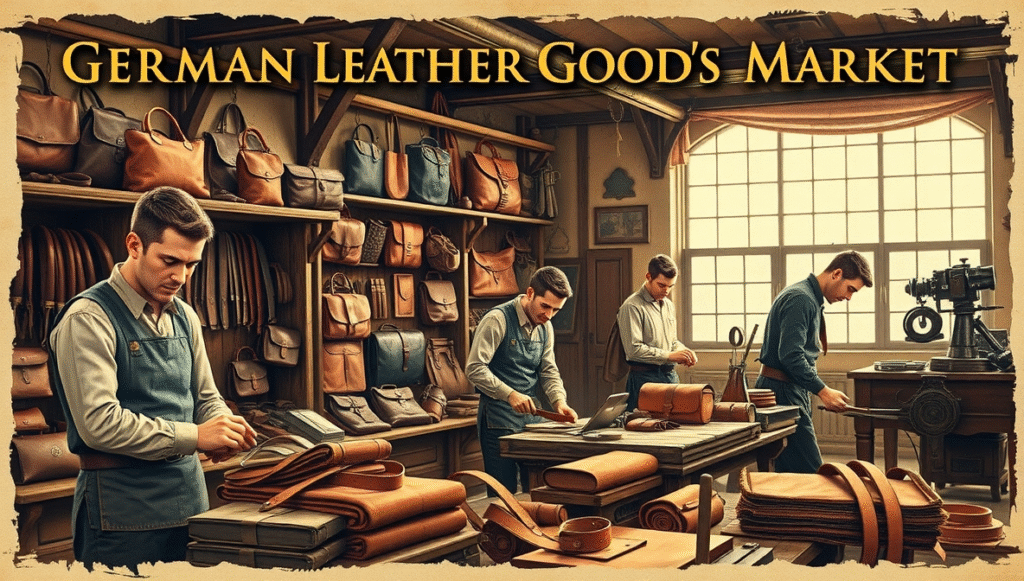
In conclusion, the German leather goods market represents quality, trust, and innovation. It continues to evolve while preserving its heritage of craftsmanship. As global demand for sustainable and premium products grows, Germany stands ready to meet it.
Now is the time for businesses, investors, and designers to explore opportunities in this vibrant industry. Embracing technology, sustainability, and creativity will ensure lasting success in the world of leather goods.
FAQs
Q1: What makes the German leather goods market unique?
A: It combines traditional craftsmanship with modern innovation, producing durable, stylish, and eco-friendly products.
Q2: Which leather products are most popular in Germany?
A: Handbags, shoes, wallets, and belts are among the top-selling items across the market.
Q3: Is sustainability important in the German leather industry?
A: Yes, many companies focus on eco-friendly tanning, ethical sourcing, and recycled materials to protect the environment.
Q4: Who are the leading brands in this market?
A: Montblanc, Aigner, and Braun Büffel are well-known names that set high standards for quality and design.
Q5: What does the future hold for the German leather market?
A: Continued growth through sustainable innovation, technological advancements, and global expansion opportunities.