
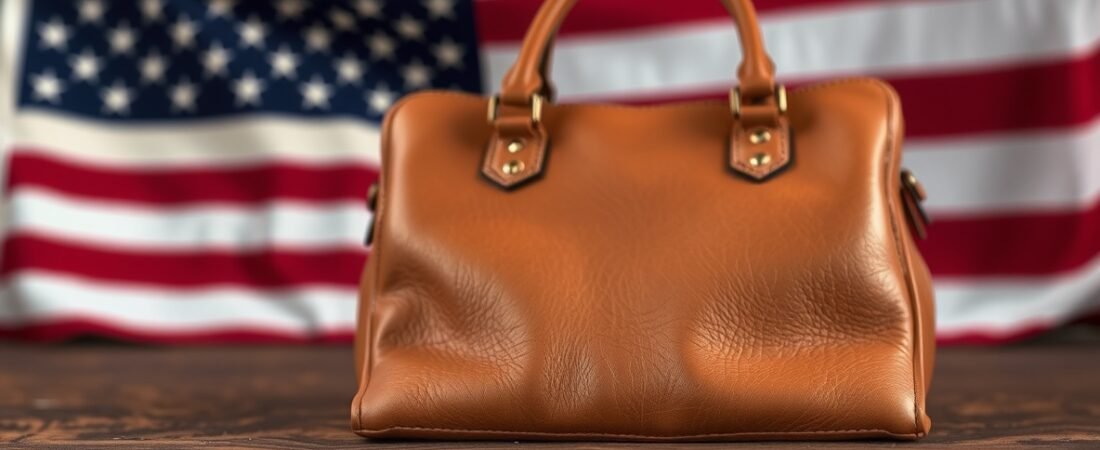
Import Leather from Italy to USA has become a profitable choice for businesses that want high-quality, stylish, and durable materials. Italian leather is world-famous for its craftsmanship, rich texture, and luxury appeal. Whether you’re a manufacturer, designer, or reseller, understanding the process and requirements is essential for smooth importing.
Why Import Leather from Italy to USA?
Italian leather is often called the gold standard in the global market. It’s known for its premium finish, long-lasting nature, and environmentally responsible tanning processes. Many luxury brands depend on Italian leather for handbags, shoes, furniture, and car interiors.
Additionally, Italy’s tanning industry combines tradition and innovation. This means you receive a product that meets modern demands while maintaining authentic artistry. Importing leather from Italy to USA ensures your products stand out with elegance and unmatched quality.
Furthermore, Italian suppliers offer a wide range of leathers — from vegetable-tanned hides to chrome-tanned and exotic options. By choosing the right supplier, businesses can meet different design, durability, and texture needs efficiently.
Understanding Leather Types Before Importing
Before you import leather from Italy to USA, it’s important to know the available types. Each type serves a different purpose in design and manufacturing.
Full-grain leather is the highest quality, made from the top layer of the hide. It’s strong, breathable, and ages beautifully. Top-grain leather is slightly corrected but still retains softness and durability. Split-grain leather comes from lower hide layers and is more affordable for large production runs.
Also, suede and nubuck are popular Italian exports known for their smooth, velvet-like feel. Knowing which type aligns with your business needs saves costs and ensures better product performance.
Key Steps to Import Leather from Italy to USA
To import leather successfully, businesses must follow a structured process that includes supplier selection, documentation, and shipping.
Step 1: Choose Reliable Italian Suppliers
Start by researching authentic tanneries or distributors in Italy. Look for verified suppliers with export experience. Request product samples to check texture, finish, and quality before signing contracts.
Step 2: Understand Import Regulations
The USA has specific import rules for animal-based products. Ensure the leather complies with USDA, FDA, and customs regulations. Check if the leather is genuine or synthetic to determine necessary documentation.
Step 3: Manage Shipping and Logistics
Italian leather can be shipped by air or sea. While air freight is faster, sea freight is cheaper for bulk orders. Always verify labeling, invoices, and origin certificates to avoid customs delays.
Customs and Documentation Requirements
To import leather from Italy to USA smoothly, you need accurate documentation. Customs clearance depends on properly completed forms and product classification.
Prepare documents such as:
- Commercial Invoice
- Packing List
- Bill of Lading or Airway Bill
- Certificate of Origin
- Import License (if required)
Moreover, each leather shipment must have an HS Code that identifies the product category. For example, bovine leather has different codes than goat or sheep leather. Accurate classification ensures correct duty calculation and faster processing.
Duties, Taxes, and Import Costs
Import costs vary based on leather type, weight, and shipment value. Typically, customs duties on leather products range between 5% and 10%. Importers must also consider handling, freight, and insurance charges.
While importing, it’s wise to calculate Landed Cost, which includes product cost, duties, taxes, and logistics. This gives a clear picture of your total investment and helps in pricing decisions. By planning ahead, businesses can maintain profitability while offering premium Italian leather in the U.S. market.
Shipping and Handling Tips for Leather Imports
Shipping leather from Italy requires careful packaging and temperature control to preserve quality. Leather should be stored in dry, ventilated conditions to prevent mold and cracking.
Using moisture-resistant wrapping and pallets ensures safety during long transit. Additionally, selecting carriers experienced in handling luxury materials reduces the risk of damage. Clear labeling in both English and Italian also simplifies customs inspection and minimizes delays.
Quality Assurance Before Import
Before your shipment leaves Italy, always request a Quality Inspection Report. Many Italian tanneries offer third-party inspections to confirm material consistency. Testing colorfastness, thickness, and finish ensures that the leather meets U.S. standards.
Moreover, signing a Purchase Agreement with detailed quality clauses protects your investment. Inspections build trust between buyer and supplier, leading to long-term cooperation.
Choosing the Right Italian Leather Supplier
Finding a reputable supplier is the cornerstone of importing success. Italy’s top leather regions include Tuscany, Veneto, and Marche. These areas specialize in eco-friendly tanning and artistic craftsmanship.
When choosing, verify certifications like ISO 9001 or Leather Working Group (LWG) standards. Genuine suppliers usually have export licenses, transparent pricing, and sustainable production methods. Reliable partnerships guarantee consistent supply and quality.
Common Challenges When Importing Leather
Even with careful planning, importers face challenges like delays, tariffs, and documentation issues. Incomplete paperwork or incorrect product labeling often leads to customs holds.
To avoid these problems, work closely with freight forwarders familiar with Italian exports. Regular communication between your logistics partner and supplier prevents misunderstandings and ensures timely delivery.
Sustainability and Eco-Friendly Leather Imports
Italy is a leader in sustainable leather production. Many tanneries use vegetable-based tanning methods, reducing chemical waste. By importing eco-certified leather, U.S. businesses support ethical sourcing and appeal to environmentally conscious consumers.
Additionally, promoting eco-friendly products strengthens your brand reputation and meets growing market demand for sustainable fashion and furniture materials.
Tips for First-Time Leather Importers
If you’re importing leather for the first time, start with small batches to test market response. Building experience gradually helps you refine logistics and pricing.
Partnering with a customs broker simplifies paperwork and reduces risk. Maintaining detailed import records also helps during audits and future shipments. Careful preparation ensures smooth operations and lasting success.
Conclusion:
Importing leather from Italy to USA unlocks access to world-class materials that elevate your brand. With proper planning, documentation, and trusted suppliers, you can build a reliable supply chain and enhance product quality.
Start your importing journey today. Connect with certified Italian tanneries, ensure compliance, and bring authentic craftsmanship to your customers. Premium leather isn’t just an investment—it’s a statement of quality and trust.
FAQs
1. What makes Italian leather unique compared to other types?
Italian leather is crafted using traditional tanning methods that enhance texture, color, and durability. It combines artistry with advanced techniques, offering a luxurious and long-lasting finish.
2. Do I need an import license to bring leather into the USA?
In most cases, you don’t need a special license for processed leather, but raw animal hides may require USDA approval. Always verify current import rules before shipment.
3. How long does shipping leather from Italy to the USA take?
Air freight usually takes 5–10 days, while sea freight can take 3–5 weeks depending on port location and customs clearance time.
4. What are the most popular types of Italian leather imported to the USA?
Full-grain, top-grain, and vegetable-tanned leathers are the most sought-after for fashion, furniture, and automotive uses.
5. How can I find reliable Italian leather suppliers?
Look for certified tanneries, industry trade directories, or verified B2B platforms. Always request samples, check certifications, and review export experience before placing large orders.