
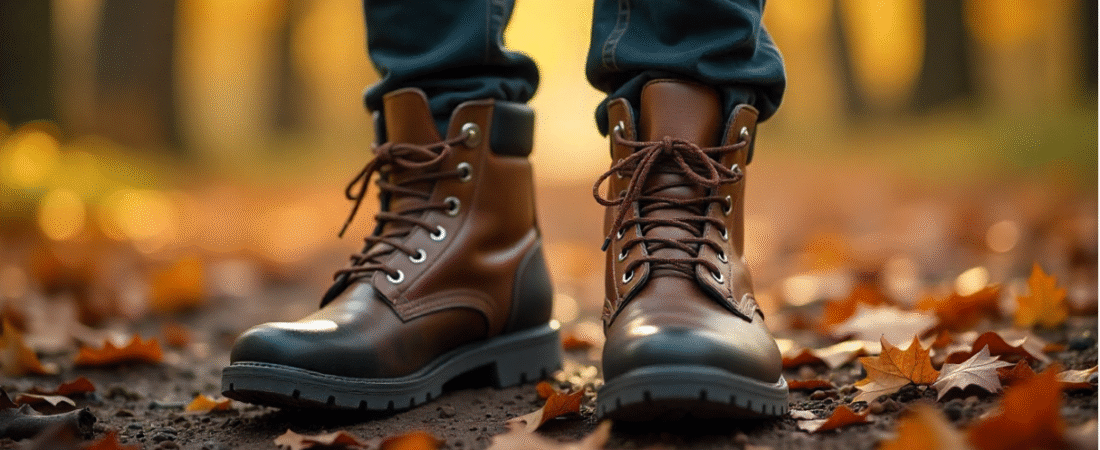
Boots are more than just shoes. They are partners that help us walk through mud, rain, snow, and even rough city streets. Among many types of footwear, Leather and Rubber Boots stand out because they mix style with toughness. These boots are not only strong but also comfortable and fashionable.
I still remember my first pair of leather and rubber boots. They were simple, brown, and a little heavier than my sneakers, but they kept my feet dry during the rainy season. Over the years, I learned that choosing the right boot can make a big difference, whether you are working outdoors, walking in wet areas, or just looking for a rugged style.
In this article, I’ll take you on a full journey about leather and rubber boots. We’ll look at their history, why they are useful, different styles, how to care for them, and how to pick the right pair. If you are thinking of buying boots or just want to know more about them, this guide will give you everything you need.
The History of Leather and Rubber Boots
Boots have been around for thousands of years. Ancient people made boots from animal skins to protect their feet from cold and rough ground. Leather was the main material because it was easy to shape, durable, and kept feet warm.
Rubber, however, came into the picture much later. In the 19th century, people discovered how to use natural rubber for making waterproof shoes. Farmers, hunters, and workers loved them because they could walk in wet soil without getting soaked. The mix of leather and rubber boots became popular because it gave the best of both worlds: leather for comfort and style, rubber for water protection.
Today, these boots are not only used for work but also for fashion. Many brands design stylish versions that people wear with jeans, dresses, and even office outfits. The history shows us one thing: boots always adapt to our needs.
Why Choose Leather and Rubber Boots?
There are many reasons why people love these boots. From personal experience, I can say they are practical, long-lasting, and look good in almost every season. Let’s break it down:
- Durability – Leather is strong and can last for years if cared for properly. Rubber adds extra life because it handles water, mud, and chemicals better than leather alone.
- Comfort – Good boots mold to your feet over time, making them comfortable to wear for long hours.
- Style – Leather has a classy look. Whether polished for formal wear or rugged for outdoor use, it never goes out of fashion.
- Protection – Rubber soles provide grip, so you don’t slip easily. Some boots even have steel toes for extra safety.
- Water Resistance – The rubber part keeps your feet dry, which is very important in rainy or snowy weather.
When I worked on a farm during a summer holiday, my boots were my best friends. I could step into puddles, walk across wet grass, and still come back home with dry socks. That’s when I realized how powerful a good boot can be.
Types of Leather and Rubber Boots
Not all boots are the same. Depending on where and how you use them, you can choose different types. Here are some of the most common ones:
1. Work Boots
Made for heavy-duty tasks, these boots often come with safety features like steel toes, thick soles, and oil-resistant rubber bottoms. Perfect for construction workers or farmers.
2. Hiking Boots
These are designed for outdoor adventures. They have ankle support, padded insides, and rubber soles for grip on rocky paths.
3. Rain Boots
Also called wellingtons or gumboots, they are mostly rubber but may include leather for added style. They keep your feet dry in heavy rain.
4. Fashion Boots
Some boots are made purely for looks. They may not have heavy protection but add style to casual and formal outfits.
5. Winter Boots
These are insulated with wool or synthetic material inside, making them warm. The rubber sole prevents slipping on snow.
From my experience, I keep two pairs: one rugged work boot for dirty jobs and one stylish pair for outings. That way, I get both practicality and fashion.
How to Pick the Right Pair of Leather and Rubber Boots
Choosing boots can be tricky if you don’t know what to look for. Here are some tips from my own mistakes and lessons:
- Check the Fit: Boots should feel snug but not too tight. Your toes should have a little room to move.
- Look at the Sole: If you walk on wet ground, make sure the sole has deep treads for grip.
- Think About the Use: Do you want them for work, hiking, or just style? Choose based on your main need.
- Material Quality: Genuine leather lasts longer than fake leather. Check the stitching too; strong stitching means a longer life.
- Weight: Heavy boots can be tiring if you wear them all day. Lighter ones are better for casual use.
I once bought a cheap pair that looked good but had poor stitching. After three months, the sole came off. Since then, I always invest in quality, and it has saved me money in the long run.
Caring for Leather and Rubber Boots
A good pair of boots can last many years if you take care of them. Here’s how:
- Clean Regularly: Wipe off mud and dirt after each use.
- Polish Leather: Use a good leather polish to keep them shiny and prevent cracks.
- Dry Properly: Never put boots near a heater. Instead, let them air dry naturally.
- Store Well: Keep them in a cool, dry place. Use boot trees or stuff them with paper to hold shape.
- Check Rubber Parts: If the rubber sole shows cracks, get it repaired before it worsens.
My oldest leather and rubber boot pair lasted almost seven years because I cleaned and polished them regularly. Trust me, a little care goes a long way.
Styling Tips for Leather and Rubber Boots
Boots are not just for farms and factories. They can also be worn for style. Here are some easy ways:
- With Jeans: A classic look. Roll up your jeans slightly to show the boots.
- With Dresses: Women often wear short dresses with tall boots for a trendy look.
- With Workwear: Pairing boots with a jacket makes you look sharp and practical.
- With Casual Outfits: Even simple t-shirts and boots give a rugged, confident vibe.
I often wear my black leather and rubber boots with blue jeans and a plain shirt. It’s simple but looks stylish without trying too hard.
The Future of Leather and Rubber Boots
As times change, boot makers are looking at new ideas. Some companies now use eco-friendly leather and recycled rubber to make sustainable boots. Technology also plays a role; modern boots have better cushioning, lightweight soles, and even waterproof membranes.
I believe that the mix of tradition and innovation will keep these boots popular. After all, people will always need strong shoes that look good and protect their feet.
Conclusion
Leather and rubber boots are more than just footwear. They are a mix of strength, comfort, and timeless style. From ancient times to modern fashion, they have walked with us through mud, snow, and city streets. If you choose the right pair and take care of them, they can serve you for years.
Speaking from experience, I can say that once you own a good pair, you’ll never want to go back. They protect, they style, and they last—it’s like having a loyal friend for your feet.
So, next time you see a pair of leather and rubber boots, don’t just look at them as shoes. Think of them as an investment in comfort, protection, and personal style.
FAQs
Q: Are leather and rubber boots waterproof?
A: Yes, the rubber parts keep water out, making them great for rainy or wet conditions.
Q: How long do leather and rubber boots last?
A: With proper care, they can last anywhere from 5 to 10 years.
Q: Can I wear leather and rubber boots in summer?
A: Yes, but lighter styles are better in hot weather to keep your feet comfortable.
Q: How do I clean leather and rubber boots?
A: Wipe off dirt, polish the leather, and let them air dry naturally.
Q: Are these boots good for hiking?
A: Yes, many designs provide grip, ankle support, and comfort for outdoor hikes.