
Finding the right Leather Finishing Techniques Suppliers is essential for brands that want durable, stylish, and market-ready leather. This in-depth guide explains what suppliers offer, how finishing works, and how to choose top-performing partners. Clear structure, strong information, and easy-to-read language help you understand every detail confidently.
Understanding Leather Finishing Techniques Suppliers
Leather finishing techniques suppliers provide professional processes that enhance leather’s look, durability, and performance. These suppliers use specialized tools, chemicals, and skills to achieve consistent quality. Because finishing influences feel, color, and protection, choosing the right partner becomes crucial for any leather-based business.
Moreover, reliable suppliers ensure each piece meets industry standards. Their techniques cover mechanical, chemical, and protective treatments. As they offer multiple solutions, brands can select custom finishes for fashion, furniture, automotive, footwear, and industrial needs.
Why Leather Finishing Matters for Modern Manufacturing
Leather finishing matters because customers demand attractive and long-lasting products. Finishing techniques improve softness, shine, and resistance to wear. Additionally, properly finished leather helps products retain value and comfort during long-term use. When manufacturers prioritize finishing quality, their end products stand out in competitive markets.
Moreover, finishing processes help reduce production flaws. Smooth surfaces, stable colors, and durable coatings support higher customer trust. Since global buyers focus on quality, partnering with advanced leather finishing techniques suppliers strengthens brand reputation and product appeal.
Types of Leather Finishing Techniques Suppliers Offer
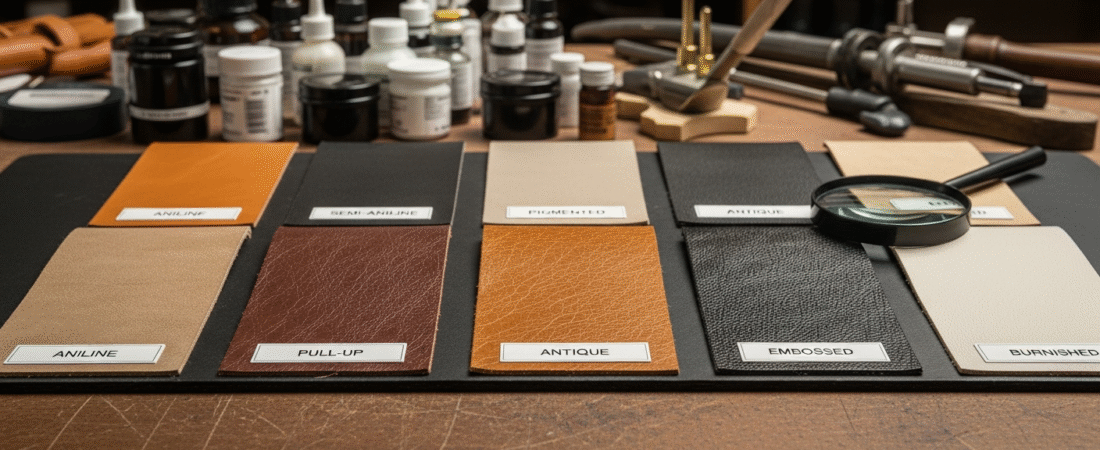
Suppliers offer a wide range of finishing methods to meet diverse requirements. Each technique impacts the final look and performance of leather. Manufacturers usually choose finishes based on product type, texture needs, and customer expectations. These techniques shape the leather’s identity and influence final market success.
1. Aniline and Semi-Aniline Finishing
Aniline finishes create a natural appearance with visible grains. Semi-aniline adds a protective layer while keeping a soft texture. Both offer premium quality for luxury goods. Since these finishes highlight authenticity, many brands choose them for high-end fashion and furniture applications.
2. Pigmented Finishing
Pigmented finishing increases durability through a colored coating. It covers natural imperfections and provides a uniform surface. As it offers strong resistance to scratches and sunlight, it becomes ideal for automotive seats, bags, and heavy-use items. Many suppliers recommend this for long-wearing products.
3. Embossed Finishing
Embossing adds patterns or textures using heat and pressure. It allows manufacturers to mimic exotic skins or create unique designs. Because it enhances visual appeal at lower costs, many companies prefer embossed finishes for creativity and branding.
4. Protective Coating Finishing
Protective finishes use sealants, waxes, or polyurethane layers to boost resilience. These coatings help prevent stains, moisture damage, and fading. Since customers value durability, businesses rely on suppliers offering advanced coating technologies.
5. Gloss, Matte, and Satin Finishing
Leather surfaces can appear shiny, flat, or softly reflective. Gloss finishes create brilliance, matte gives a natural tone, and satin offers balanced shine. As fashion trends shift quickly, suppliers help brands choose finishes that match product style and target markets.
How Suppliers Ensure Quality in Leather Finishing
Trusted leather finishing techniques suppliers follow strict quality steps. They inspect raw leather, test chemicals, and run finishing trials. Each batch receives careful evaluation to avoid inconsistencies. Because finishing impacts durability and design, maintaining standards becomes a top priority.
Additionally, suppliers rely on advanced machinery and trained technicians. Automated systems help achieve uniform texture, color, and thickness. Skilled workers carry out fine adjustments to ensure flawless results. With this combination, brands get smooth, reliable, and attractive leather.
Key Factors to Consider When Choosing Leather Finishing Techniques Suppliers
Choosing the right supplier requires evaluating multiple factors. Each element affects cost, quality, and long-term partnership success. When brands use a structured approach, they gain confidence in their supplier selection.
1. Technology and Equipment
Modern machinery ensures consistent finishing. Automated coating systems, embossing tools, and precision sprayers produce clean results. When suppliers invest in technology, they deliver higher efficiency and fewer defects. This investment benefits manufacturers aiming for premium quality.
2. Range of Finishing Options
A wide finishing selection offers flexibility. Brands with diverse product lines require multiple textures and treatments. Suppliers with broader options support growth and creativity. Therefore, evaluating finish variety is essential during supplier assessment.
3. Material Testing and Certifications
Testing confirms durability, color stability, and chemical safety. Suppliers with certifications demonstrate reliable processes. Since global buyers care about safety and performance, working with certified suppliers strengthens credibility and trust.
4. Customization and Color Matching
Custom finishes allow brands to offer unique styles. Precise color matching ensures design consistency across batches. Because uniformity is vital for branding, businesses need suppliers skilled in custom solutions.
5. Production Capacity and Delivery Time
Production capacity affects lead times and scalability. Fast delivery supports smooth manufacturing schedules. When suppliers handle large orders efficiently, brands minimize downtime and reduce costs.
Benefits of Working With Professional Leather Finishing Techniques Suppliers
Professional suppliers deliver multiple benefits that improve product quality and business efficiency. Additionally, long-term partnerships lead to stronger innovation and faster development cycles.
Improved Product Durability
High-quality finishing adds strength and protection. Products last longer and handle daily wear effectively. Durability increases customer satisfaction and repeat business.
Enhanced Appearance and Texture
Finishing enriches color depth, smoothness, and grain definition. Attractive finishes boost product value. Beautiful surfaces also support better market positioning.
Reduced Waste and Manufacturing Errors
Skilled suppliers manage leather carefully. Their experience helps reduce mistakes, defects, and rework. Efficient finishing saves time and production resources.
Support for Branding and Creativity
Unique finishes help brands stand out. Suppliers assist in creating patterns, tones, and effects. These custom options elevate product identity and market recognition.
How to Integrate AI Tools When Working With Leather Finishing Suppliers
AI tools help improve supplier communication, design planning, and quality checking. They analyze finishing samples and generate realistic previews before production. As a result, businesses make faster decisions and avoid costly revisions.
AI also assists in prompt writing for product design models. Accurate prompts help generate textures, patterns, and finish styles. When teams use AI for visualization, they achieve better creative outcomes.
Conclusion:
Reliable leather finishing techniques suppliers help brands create long-lasting, attractive, and high-performing leather products. Since finishing shapes appearance and protection, choosing expert partners becomes essential. Now is the best time to evaluate suppliers, compare finishing options, and upgrade your production standards. Take action today and select a supplier that elevates your brand quality and customer trust.
FAQs
1. What do leather finishing techniques suppliers provide?
They offer specialized processes that enhance leather’s appearance, durability, and protection using mechanical, chemical, and coating techniques.
2. Why is finishing important for leather products?
Finishing improves feel, shine, strength, and resistance to wear, helping products stand out in competitive markets.
3. Which finishing technique is best?
The best technique depends on product type. Aniline suits luxury goods, pigmented finishes work well for durability, and embossed finishes add custom texture.
4. How do I choose the right supplier?
Evaluate technology, finishing options, certifications, customization skills, production capacity, and delivery reliability.
5. Can AI tools support leather finishing decisions?
Yes. AI helps visualize finishes, improve communication, and guide design choices through accurate prompt-based modeling.