
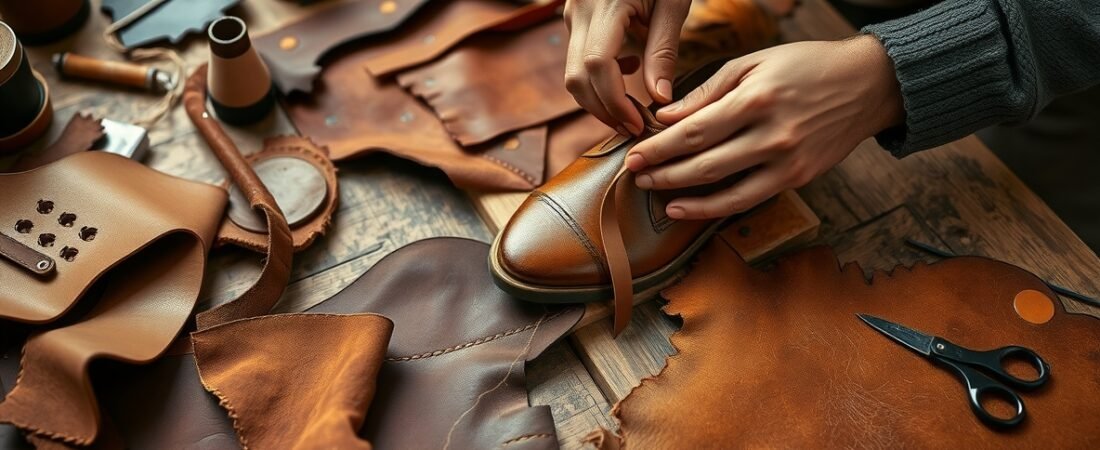
When it comes to Leather for Footwear Manufacturers remains one of the most reliable and timeless materials. Its strength, comfort, and natural texture make it the first choice for premium shoe production. In this in-depth guide, you’ll discover how leather for footwear manufacturers plays a key role in design, quality, and sustainability across the global footwear industry.
Understanding the Importance of Leather in Footwear Manufacturing
Leather has been used in shoemaking for centuries due to its durability and flexibility. It molds easily to the shape of the foot, offering both comfort and breathability. Moreover, leather’s natural fibers allow air circulation, preventing moisture buildup inside shoes. As a result, manufacturers favor it for both style and practicality.
Additionally, leather’s longevity makes it a sustainable option when sourced responsibly. High-quality leather shoes can last years, reducing the need for frequent replacements. That durability not only benefits consumers but also enhances brand reputation in the competitive footwear market.
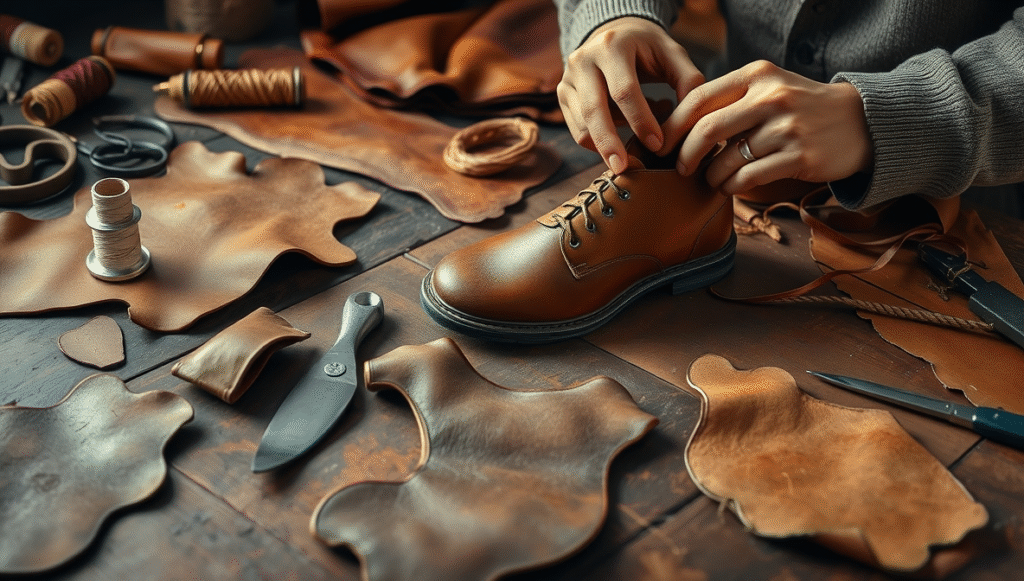
Types of Leather Used by Footwear Manufacturers
Different types of leather serve various footwear purposes. Full-grain leather, known for its natural look and strength, is often used in luxury shoes. Top-grain leather, on the other hand, is slightly sanded for a smoother finish, making it suitable for casual and formal footwear.
For lighter or more affordable shoes, manufacturers prefer split-grain or corrected-grain leather. These materials are easier to work with and still offer durability. Suede and nubuck, created from the inner layer of hides, provide a soft and stylish texture popular in fashion sneakers and boots.
Moreover, synthetic or vegan leather alternatives have gained traction. They mimic the appearance of natural leather while aligning with eco-conscious production practices.
How Leather Is Processed for Footwear Production
The transformation from raw hide to finished leather involves several stages. First, hides undergo cleaning and preservation through salting or drying. Then, tanneries treat them using vegetable or chrome tanning methods. Vegetable tanning uses natural plant extracts, giving leather a firm texture, while chrome tanning results in softer, flexible leather.
Next comes dyeing, finishing, and conditioning, which add color, shine, and texture. Each step affects the final look and feel of the footwear. Skilled craftsmanship ensures the leather remains both attractive and durable for long-term wear.
Choosing the Right Leather for Different Footwear Styles
Selecting the right type of leather depends on the shoe’s purpose. For instance, rugged boots demand thicker, full-grain leather, while formal dress shoes require polished top-grain leather. Lightweight casual shoes or sandals often use softer, flexible materials like nubuck or suede.
Furthermore, sports footwear manufacturers combine natural and synthetic leathers for balance between comfort and resilience. Understanding these combinations helps brands design shoes that meet both fashion and function demands.
Sustainability and Ethical Leather Sourcing in the Industry
Today, sustainability plays a vital role in footwear manufacturing. Many companies now focus on sourcing leather responsibly from certified tanneries that follow eco-friendly processes. Using vegetable-tanned leather, reducing water waste, and recycling offcuts all contribute to greener production.
Likewise, ethical sourcing ensures animal welfare and fair labor practices. Transparent supply chains help build consumer trust and strengthen brand image in a competitive market. As customers become more conscious of their choices, sustainable leather use provides a clear advantage.
Leather Finishes and Textures for Modern Footwear Design
Leather can be finished in numerous ways to match specific footwear designs. Smooth, glossy finishes suit formal shoes, while matte or textured surfaces add character to casual styles. Embossed patterns, metallic coatings, or distressed looks give leather a trendy edge.
Additionally, waterproof finishes improve performance in outdoor footwear. By blending aesthetics with function, designers can meet diverse customer preferences while maintaining quality. These variations keep leather footwear versatile and fashionable across all seasons.
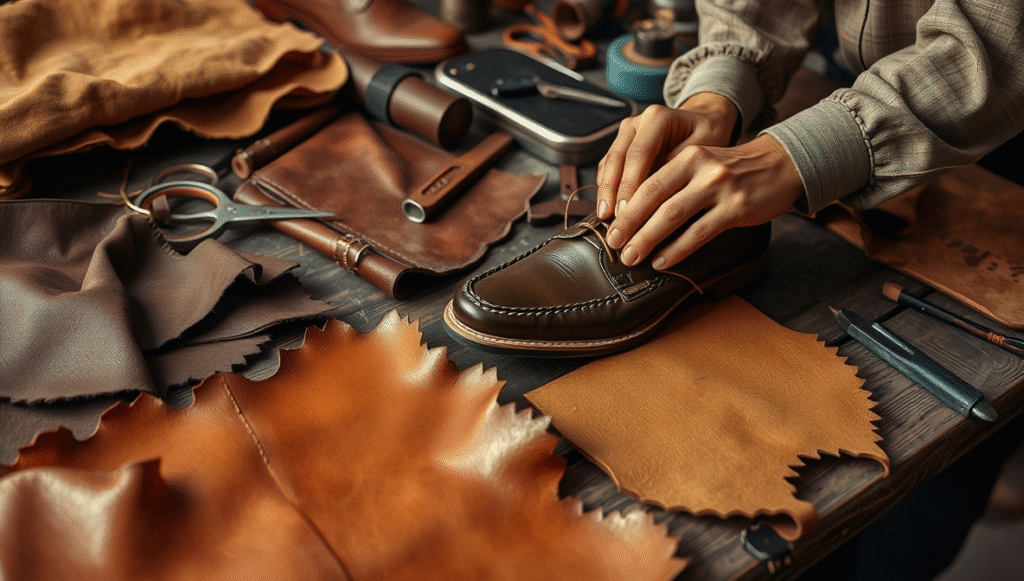
Leather vs. Synthetic Materials in Footwear Manufacturing
While synthetic materials are cheaper and easier to produce, leather outperforms them in comfort and longevity. Real leather adapts to body temperature, offering superior breathability and flexibility. In contrast, synthetic alternatives may trap heat and wear out faster.
However, synthetic leather options have improved with technology, becoming more eco-friendly and cruelty-free. Manufacturers now balance both materials to deliver cost-effective yet high-quality footwear. Choosing the right mix depends on brand goals and target markets.
Maintaining Leather Footwear for Long-Term Use
Proper care ensures leather shoes stay elegant and durable. Regular cleaning with a damp cloth removes dust, while applying conditioner keeps the leather soft. Storing shoes in a cool, dry place helps prevent cracking or fading.
Moreover, polishing enhances shine and restores appearance after wear. Waterproof sprays also add protection against moisture. With consistent care, leather footwear can maintain its beauty and performance for years.
Emerging Trends in Leather for Footwear Manufacturers
Modern footwear trends emphasize innovation and sustainability. Eco-friendly tanning, biodegradable coatings, and plant-based leathers are gaining popularity. Many brands also experiment with smart materials that adjust to temperature and movement for added comfort.
Additionally, personalization is transforming the market. Custom-colored leathers, engraved patterns, and limited-edition designs attract style-conscious customers. As technology and craftsmanship evolve, leather footwear continues to blend tradition with modern appeal.
Challenges Faced by Footwear Manufacturers Using Leather
Despite its advantages, leather poses certain challenges. Price fluctuations, supply chain disruptions, and environmental regulations affect production costs. Moreover, maintaining consistent quality across batches requires expertise and quality control.
To overcome these issues, manufacturers invest in sustainable practices and digital monitoring systems. These efforts ensure both efficiency and product excellence while meeting global market standards.
Conclusion
In summary, leather for footwear manufacturers represents a perfect balance of style, comfort, and durability. Its versatility allows brands to create everything from elegant dress shoes to rugged boots. When sourced responsibly, it supports both craftsmanship and environmental responsibility.
If you’re part of the footwear industry, choosing premium leather and sustainable processes can help your brand stand out. Invest in quality materials, embrace innovation, and step confidently into the future of footwear manufacturing.
Looking to elevate your footwear production? Explore sustainable leather options and partner with trusted suppliers to deliver unmatched comfort and style in every pair.
FAQs
1. What type of leather is best for making shoes?
Full-grain and top-grain leathers are ideal for premium shoes due to their strength, comfort, and natural beauty.
2. How is leather tanned for footwear production?
Leather is tanned using vegetable or chrome methods to preserve the hide, enhance texture, and ensure flexibility.
3. Are eco-friendly leather options available for footwear manufacturers?
Yes, many tanneries now offer vegetable-tanned, recycled, and plant-based leathers for sustainable production.
4. How can manufacturers maintain leather quality during production?
Proper storage, temperature control, and skilled handling help preserve leather texture and color throughout the process.
5. Why do customers prefer leather shoes over synthetic ones?
Leather shoes provide superior comfort, breathability, and durability, making them a timeless choice for quality footwear.