
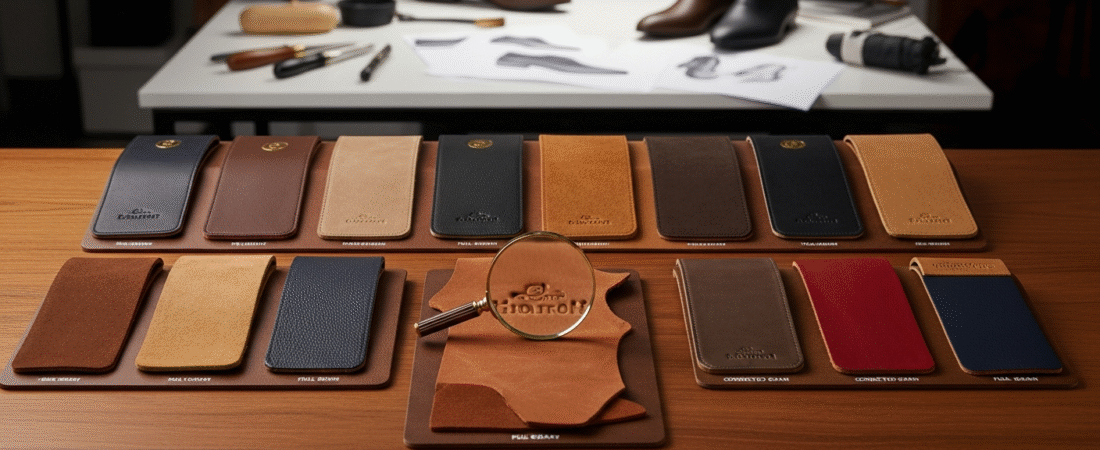
Finding the best Premium Shoe Leather Suppliers matters for every brand aiming to produce durable, stylish, and reliable footwear. Because the market is crowded, choosing the right supplier becomes challenging. Yet, with the right knowledge, you can confidently select partners who deliver consistent quality, ethical sourcing, and long-term value.
Why Premium Shoe Leather Matters for Footwear Brands
Premium leather directly influences comfort, durability, and brand reputation. Since customers expect strong craftsmanship, choosing top-quality suppliers becomes essential. Moreover, high-grade leather helps manufacturers build shoes that remain flexible yet long-lasting. Therefore, selecting reliable suppliers supports both product performance and long-term consumer trust.
Premium leather offers better resistance to wear. Because footwear goes through daily stress, using strong hides improves final results. Additionally, premium suppliers follow strict tanning standards, which ensures consistent texture and color. Consequently, your brand gains smoother production and fewer material defects.
Key Qualities of Trusted Premium Shoe Leather Suppliers
Trusted suppliers maintain strict quality checks at every production stage. Since transparency helps buyers feel confident, these suppliers provide detailed information about hide origin, tanning methods, and finishing standards. As a result, brands gain materials that match performance needs and design expectations.
Suppliers with long-standing industry experience often deliver better consistency. Because experience leads to refined processes, these companies understand footwear quality demands. Furthermore, they offer tailored options, which helps brands develop signature styles with reliable leather grades.
Types of Leather Offered by Premium Shoe Leather Suppliers
Premium suppliers typically offer full-grain, top-grain, corrected-grain, suede, and nubuck. Since full-grain leather remains the most durable, many high-end brands prefer it for luxury lines. Additionally, this type retains natural patterns, which gives shoes a distinctive appearance and long lifespan.
Top-grain leather offers a smoother finish. While slightly less durable than full-grain, it still works perfectly for elegant footwear styles. Moreover, suppliers treat this leather to create consistent appearances, which simplifies large-scale production and reduces waste.
How to Choose the Best Premium Shoe Leather Suppliers
The best suppliers demonstrate reliability, ethical practices, and flexible services. Because ethical sourcing increasingly matters to consumers, choosing suppliers committed to responsible production strengthens brand perception. Additionally, checking certifications helps ensure transparency across the entire supply chain.
Reviewing sample batches allows brands to test quality. Since hands-on inspection reveals texture, thickness, and flexibility, it remains one of the most effective evaluation methods. Furthermore, speaking directly with technical teams helps clarify tanning details and custom requirements.
Importance of Ethical and Sustainable Leather Sourcing
Sustainable sourcing supports both environmental health and brand reputation. Since consumers now prefer responsible materials, working with eco-focused suppliers improves long-term loyalty. Moreover, suppliers who adopt clean tanning practices reduce chemical waste, which strengthens overall safety.
Ethical sourcing also ensures fair labor standards. Because consumers value humane practices, your brand benefits from partnerships that follow responsible treatment of workers and animals. Consequently, transparency becomes a powerful marketing advantage.
Pricing Factors Used by Premium Shoe Leather Suppliers
Leather prices vary due to quality, tanning method, thickness, and finishing type. Since premium hides undergo detailed processing, they naturally cost more. However, the long-term durability they provide often outweighs short-term price differences.
Volume also influences cost. When brands purchase larger quantities, suppliers usually offer better pricing tiers. Because predictable orders help them maintain stable production, they also provide smoother delivery schedules. Additionally, shipping distance affects total cost, especially when importing specialized hides.
How Technology Supports Modern Premium Shoe Leather Suppliers
Modern suppliers use advanced tools like digital tanning, automated cutting, and moisture-control systems. Since these technologies improve consistency, they reduce defects and boost production speed. Moreover, improved tracking systems support better quality monitoring across each batch.
Because digital tools help maintain accuracy, suppliers can recreate the same finish repeatedly. Consequently, brands get uniform leather that supports reliable mass production. Additionally, technology reduces waste, which strengthens sustainability goals.
Benefits of Partnering With Established Premium Shoe Leather Suppliers
Established suppliers provide faster delivery times. Since they manage larger inventories, they respond quickly to sudden production demands. Moreover, their strict quality control results in fewer rejected batches, which helps brands maintain smooth operations.
Long-term partnerships also bring access to exclusive materials. Because trusted suppliers develop unique finishes and colors, brands gain opportunities to create standout footwear lines. Additionally, established companies offer technical support, which helps design teams make smarter material choices.
Common Challenges When Working With Leather Suppliers
Supply chain delays sometimes occur due to shipping issues or raw material shortages. Since these challenges impact production timelines, choosing suppliers with stable logistics becomes crucial. Moreover, brands often face quality variations when working with inexperienced providers.
Communication gaps also create problems. Therefore, selecting suppliers with responsive support reduces misunderstandings. Additionally, testing small batches before large orders helps prevent costly mistakes. Because every detail matters, careful planning ensures long-term success.
How to Build Strong Relationships With Premium Shoe Leather Suppliers
Clear communication strengthens trust. Since suppliers rely on accurate requirements, sharing detailed specifications helps them deliver correctly. Moreover, discussing long-term goals supports better planning for future orders.
Consistent collaboration also improves results. When brands provide feedback, suppliers adjust processing methods to enhance quality. Consequently, continuous communication promotes stronger partnerships and more predictable outcomes.
Future Trends Driving Premium Shoe Leather Suppliers
Eco-friendly materials remain a major trend. Since global demand for sustainable products continues to grow, suppliers focus on cleaner tanning methods and recycled leather. Moreover, innovative plant-based finishes now complement traditional options, which expands design possibilities.
Automation will also continue to evolve. Because brands need efficiency, suppliers aim to modernize their systems. Additionally, smart tracking tools ensure better quality documentation, which helps brands maintain transparent production standards.
Conclusion:
Choosing the right premium shoe leather suppliers shapes product quality, brand identity, and long-term success. Because reliable partners deliver consistent materials, your footwear line becomes stronger, more durable, and more appealing. Therefore, start evaluating trusted suppliers now and build relationships that support growth.
FAQs
1. What makes premium shoe leather suppliers different?
They offer higher-quality hides, strict quality checks, ethical sourcing, and consistent finishing.
2. How can I evaluate leather quality before buying?
You can test thickness, flexibility, grain patterns, and finish while examining small samples.
3. Why is ethical sourcing important in leather production?
It protects the environment, ensures fair labor, and strengthens consumer trust in your brand.
4. Do premium suppliers offer custom leather options?
Yes, many provide custom colors, textures, cuts, and finishes tailored to brand needs.
5. What type of leather is best for high-end shoes?
Full-grain leather remains the top choice due to its durability, natural grain, and long-lasting strength.