
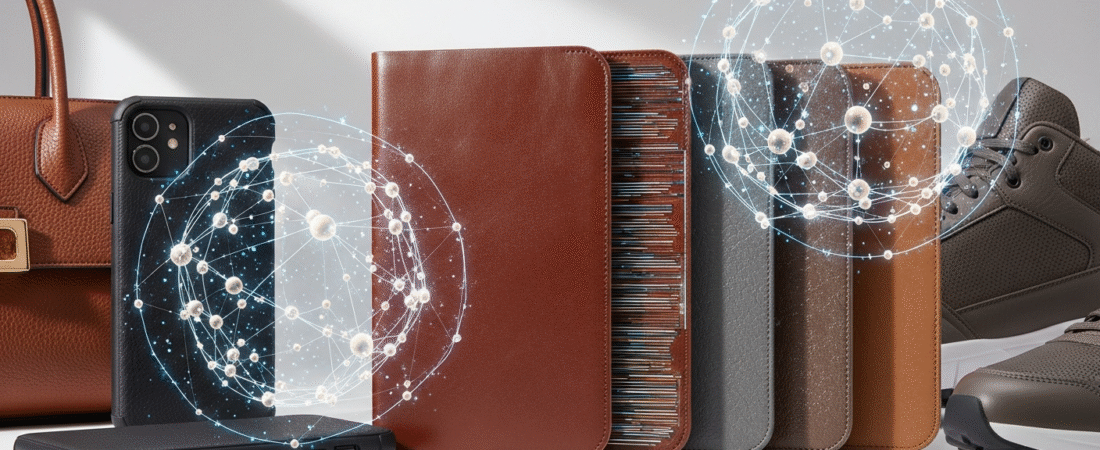
Smart Leather Materials (coated, antimicrobial) are transforming modern product design by delivering durability, hygiene, and intelligence in one surface. These advanced materials offer improved performance, longer life cycles, and safer user experiences across industries. As demand grows for high-function fabrics, these smart leather solutions continue appearing in footwear, automotive interiors, furniture, accessories, and wearable tech.
What Are Smart Leather Materials (Coated, Antimicrobial)?
Smart leather materials (coated, antimicrobial) combine traditional leather aesthetics with engineered layers designed to enhance function. These materials often include protective coatings, antimicrobial treatments, and performance-boosting surface technologies. As a result, industries choose them for environments requiring cleanliness, moisture resistance, and improved durability.
Why Coated Smart Leather Is Becoming a Global Standard
Coated smart leather provides added protection against abrasion, stains, and moisture. Manufacturers apply engineered finishes to create a shield that strengthens the leather surface. Since this coating increases lifespan, industries prefer it for high-traffic environments. Additionally, the appearance remains fresh for longer, enhancing both style and maintenance efficiency.
How Antimicrobial Smart Leather Enhances Safety
Antimicrobial smart leather reduces bacterial growth using advanced surface treatments. These layers disrupt microorganism activity and prevent surface contamination. Therefore, industries use antimicrobial smart leather in healthcare seating, car interiors, and smart wearables. Consequently, users enjoy safer surfaces with reduced risks and cleaner long-term performance.
Key Features of Smart Leather Materials (Coated, Antimicrobial)
Smart leather materials (coated, antimicrobial) offer several performance advantages. Their protective layers deliver scratch resistance, spill protection, and enhanced cleanliness. Additionally, these materials maintain breathability and flexibility. As industries seek sustainable and long-lasting solutions, smart leather stands out as a reliable, future-ready fabric.
Durability and Strength Advantages
Coated smart leather increases durability, helping products withstand daily wear. The engineered surface layers boost tear strength and minimize visible damage. Consequently, automotive brands and designers depend on smart leather for premium interiors. Moreover, furniture makers value its long-lasting appearance, making it a preferred alternative to traditional finishes.
Moisture and Spill Resistance Benefits
Smart leather materials provide superior protection against liquids. Their coated layers prevent moisture from penetrating the surface. As a result, spills are easily wiped away without long-term staining. Furthermore, industries appreciate this feature because it reduces cleaning time and improves product longevity, especially in environments prone to accidents.
Antimicrobial Protection for Health-Sensitive Spaces
Antimicrobial smart leather adds a layer of protection essential for healthcare and public seating. These materials actively reduce microorganisms on the surface. Therefore, users experience cleaner environments with lower contamination risks. In addition, this feature supports hygiene-focused product development across gyms, clinics, transportation vehicles, and smart furniture.
Applications of Smart Leather Materials (Coated, Antimicrobial)
Smart leather materials (coated, antimicrobial) are used widely due to their versatile nature. Designers apply them in automotive seats, luxury bags, footwear linings, office furniture, and smart devices. Consequently, industries adopt these materials for their blend of durability, hygiene, and style.
Automotive Interiors
The automotive industry uses coated smart leather for seats, steering wheels, and trim panels. Since these surfaces experience frequent contact, the coating helps protect against wear. Additionally, antimicrobial treatments add cleanliness. Because modern consumers value hygiene and durability, manufacturers increasingly prefer these advanced leather technologies.
Footwear and Sports Gear
Smart leather materials support comfort and long-term performance in footwear. Their antimicrobial layers minimize odor-causing bacteria, while coated finishes resist scuffs. As athletes demand durable and hygienic materials, designers continue adopting smart leather. Moreover, the flexibility ensures movement remains natural, helping maintain comfort and stability.
Furniture and Hospitality Products
Hospitality spaces require materials that can withstand constant use. Smart leather materials (coated, antimicrobial) provide the stain resistance and hygiene required in hotels, restaurants, and lounges. Furthermore, these advanced surfaces maintain their luxurious appearance under heavy traffic. As a result, businesses gain durability and style in one investment.
Wearable Technology and Smart Accessories
Wearable tech brands integrate smart leather into straps, cases, and accessories. Because these materials offer both comfort and antimicrobial benefits, users enjoy cleaner and longer-lasting products. Additionally, the coated layers resist sweat and environmental exposure, making them ideal for daily use across diverse climates.
How Smart Leather Materials Improve Sustainability
Smart leather materials (coated, antimicrobial) can support sustainability goals. Their long lifespan reduces replacement frequency, lowering waste. Moreover, many manufacturers use eco-friendly coatings that minimize chemical impact. As a result, brands can deliver high-performance products while supporting environmental responsibility.
Future Trends in Smart Leather Innovation
The smart leather industry continues evolving with digital integration and eco-friendly upgrades. Manufacturers are exploring self-cleaning surfaces, sensor-responsive coatings, and biodegradable antimicrobial treatments. Consequently, future products will combine luxury with intelligent performance. This evolution strengthens the importance of smart leather across global markets.
Choosing the Right Smart Leather for Your Needs
Selecting the right smart leather materials (coated, antimicrobial) depends on usage. Designers should evaluate moisture exposure, hygiene needs, flexibility requirements, and color durability. Because each coating offers specific benefits, choosing a targeted solution ensures maximum performance. Additionally, proper supplier assessment improves long-term material reliability.
Maintenance Tips for Smart Leather Materials
Smart leather materials remain easy to maintain with simple care routines. Wiping surfaces with a gentle cloth keeps the coating in good condition. Additionally, avoiding harsh chemicals helps preserve antimicrobial layers. As regular cleaning supports surface health, users experience longer product life and consistent appearance.
Conclusion:
Smart leather materials (coated, antimicrobial) deliver durability, hygiene, and advanced performance in one solution. Because industries demand cleaner, stronger, and longer-lasting materials, smart leather continues rising in importance. Now is the perfect time to integrate these materials into your products. Start upgrading with smart leather today and elevate your brand’s quality.
FAQs
1. What makes smart leather materials different from regular leather?
Smart leather materials include coated and antimicrobial layers that increase durability, cleanliness, and performance.
2. Where are antimicrobial smart leather materials used most?
They are widely used in healthcare seating, gyms, footwear, automotive interiors, and smart accessories.
3. Do coated smart leather materials last longer?
Yes, coated layers protect the surface from wear, scratches, and stains, extending the product’s lifespan.
4. Are smart leather materials easy to clean?
They require minimal maintenance, needing only simple wiping to preserve appearance and function.