
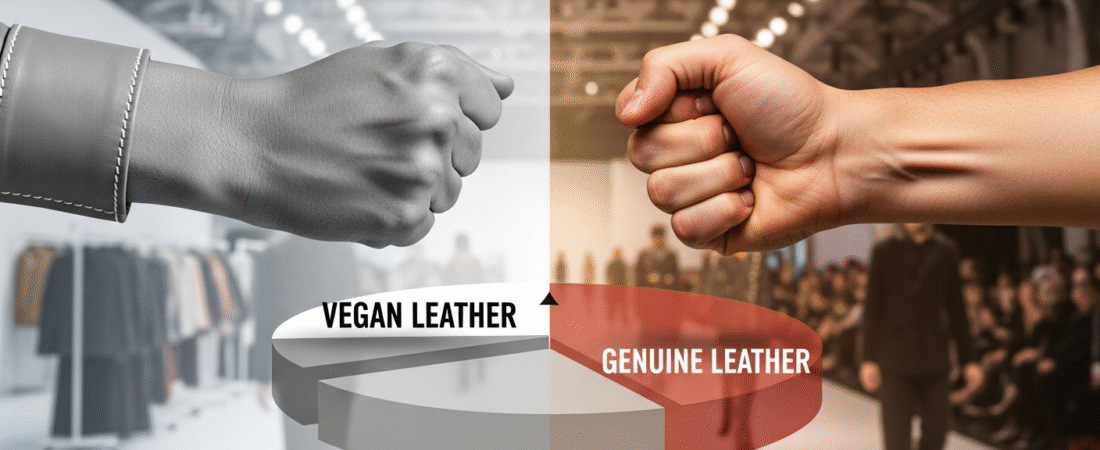
Vegan Leather vs Genuine Leather Market Share is now a major topic in the global fashion world. As more people seek ethical and sustainable products, the demand for vegan leather continues to rise. Meanwhile, traditional leather still holds a large share due to its long history, strength, and luxury image. But the competition between these two materials is rapidly changing.
Fashion brands are now investing in research to improve vegan leather quality, durability, and texture. Consumers are asking tough questions about animal welfare, carbon footprints, and production costs. This shift is pushing industries to rethink how leather should be made and marketed in the modern age.
Understanding the Concept of Vegan Leather vs Genuine Leather
Vegan leather, also called faux or synthetic leather, is made from materials like polyurethane (PU), polyvinyl chloride (PVC), or plant-based sources such as pineapple leaves and mushrooms. It looks and feels similar to real leather but is entirely animal-free.
On the other hand, genuine leather comes from animal hides, usually cows, goats, or sheep. It undergoes a tanning process to enhance durability and texture. However, this process involves chemicals that can harm the environment if not managed properly.
Global Market Share Overview
The market share of vegan leather vs genuine leather is shifting faster than ever before. According to recent market research, vegan leather is growing at a double-digit annual rate. In contrast, genuine leather’s growth has slowed due to ethical and environmental concerns.
This trend highlights the global movement toward eco-conscious fashion. As sustainability becomes a buying factor, vegan leather continues to capture attention from consumers and investors alike.
Rising Popularity of Vegan Leather
Vegan leather’s popularity has exploded due to growing environmental awareness. Consumers are now willing to spend more on sustainable materials. Moreover, brands like Stella McCartney, Tesla, and Adidas are already replacing traditional leather with vegan alternatives.
This growing acceptance shows how the vegan leather industry is positioning itself as a premium, cruelty-free option. Its appeal lies in combining innovation, style, and responsibility, making it a top choice for the next generation of shoppers.
Challenges Faced by Genuine Leather Industry
While genuine leather remains a symbol of luxury, it faces challenges from both ethical and environmental angles. Animal rights activists criticize its production methods. Moreover, climate change and deforestation linked to cattle farming have tarnished its image.
However, the genuine leather industry is also adapting. Many tanneries are now investing in eco-friendly tanning processes and using certified hides to regain consumer trust. Yet, competition from vegan leather remains fierce.
Technological Advancements in Vegan Leather Production
Technology plays a vital role in shaping the vegan leather vs genuine leather market share. Companies are developing advanced plant-based leathers from mushrooms, cacti, and apple peels. These innovations create materials that are not only sustainable but also durable and stylish.
With every improvement, vegan leather becomes more appealing to manufacturers and designers. As a result, its adoption across fashion, automotive, and furniture industries continues to expand globally.
Market Segments and Applications
The vegan leather vs genuine leather competition extends across several industries. In the fashion sector, vegan leather is widely used in handbags, shoes, and jackets. Meanwhile, the automotive and furniture markets are also switching to vegan alternatives to meet sustainability goals.
This diversification of uses contributes to vegan leather’s growing market share. Its lightweight, customizable, and eco-friendly properties make it a preferred choice for modern brands.
Consumer Preferences and Market Behavior
Consumers now want transparency and responsibility from the brands they support. Surveys show that younger generations prefer cruelty-free and sustainable materials. As a result, vegan leather products are becoming trendsetters in mainstream retail stores.
At the same time, traditional leather remains popular among luxury buyers who value authenticity and craftsmanship. However, its dominance is slowly fading as conscious consumerism grows stronger worldwide.
Environmental and Ethical Impact Comparison
Vegan leather has a smaller carbon footprint compared to genuine leather. It requires fewer resources, such as water and land. Additionally, it eliminates animal cruelty, which appeals to ethically minded consumers.
In contrast, genuine leather’s tanning process involves toxic chemicals that can harm soil and water. Although eco-friendly tanning methods are emerging, they remain costly and less accessible for small producers.
Cost and Market Accessibility
Affordability is another factor influencing vegan leather vs genuine leather market share. Vegan leather tends to be cheaper to produce and easier to scale globally. This allows brands to offer affordable luxury products without compromising on style.
However, genuine leather maintains a higher resale value due to its durability and prestige. While vegan leather’s cost advantage helps it grow, its long-term value and strength still face scrutiny.
Future Growth Predictions
The future of vegan leather vs genuine leather market share looks promising for vegan alternatives. Analysts predict continuous growth fueled by green innovation and conscious fashion movements. Governments and organizations also support policies encouraging sustainable materials.
As these factors align, vegan leather is expected to capture an even larger share of the global market. Its versatility, ethical production, and evolving technology will make it a key material in future design trends.
Conclusion
In the ongoing debate of vegan leather vs genuine leather market share, one thing is clear: sustainability drives the future. As technology improves and consumer awareness rises, vegan leather will likely dominate fashion and beyond. Genuine leather still holds prestige, but its environmental impact creates a major challenge.
For brands and consumers, choosing responsibly made materials is not just a trend—it’s a commitment to a greener planet. The next step is yours—support sustainable brands and be part of the change shaping tomorrow’s market.
FAQs
1. What is the main difference between vegan leather and genuine leather?
Vegan leather is made from synthetic or plant-based materials, while genuine leather comes from animal hides.
2. Is vegan leather more sustainable than genuine leather?
Yes, vegan leather usually has a lower environmental impact and doesn’t involve animal cruelty.
3. Which one lasts longer, vegan or genuine leather?
Genuine leather typically lasts longer, but new plant-based vegan leathers are improving in durability.
4. Why is vegan leather gaining market share?
Vegan leather is becoming popular because it’s eco-friendly, ethical, and affordable compared to genuine leather.
5. What industries are using vegan leather the most?
Fashion, automotive, and furniture industries are leading in the use of vegan leather due to sustainability goals.